
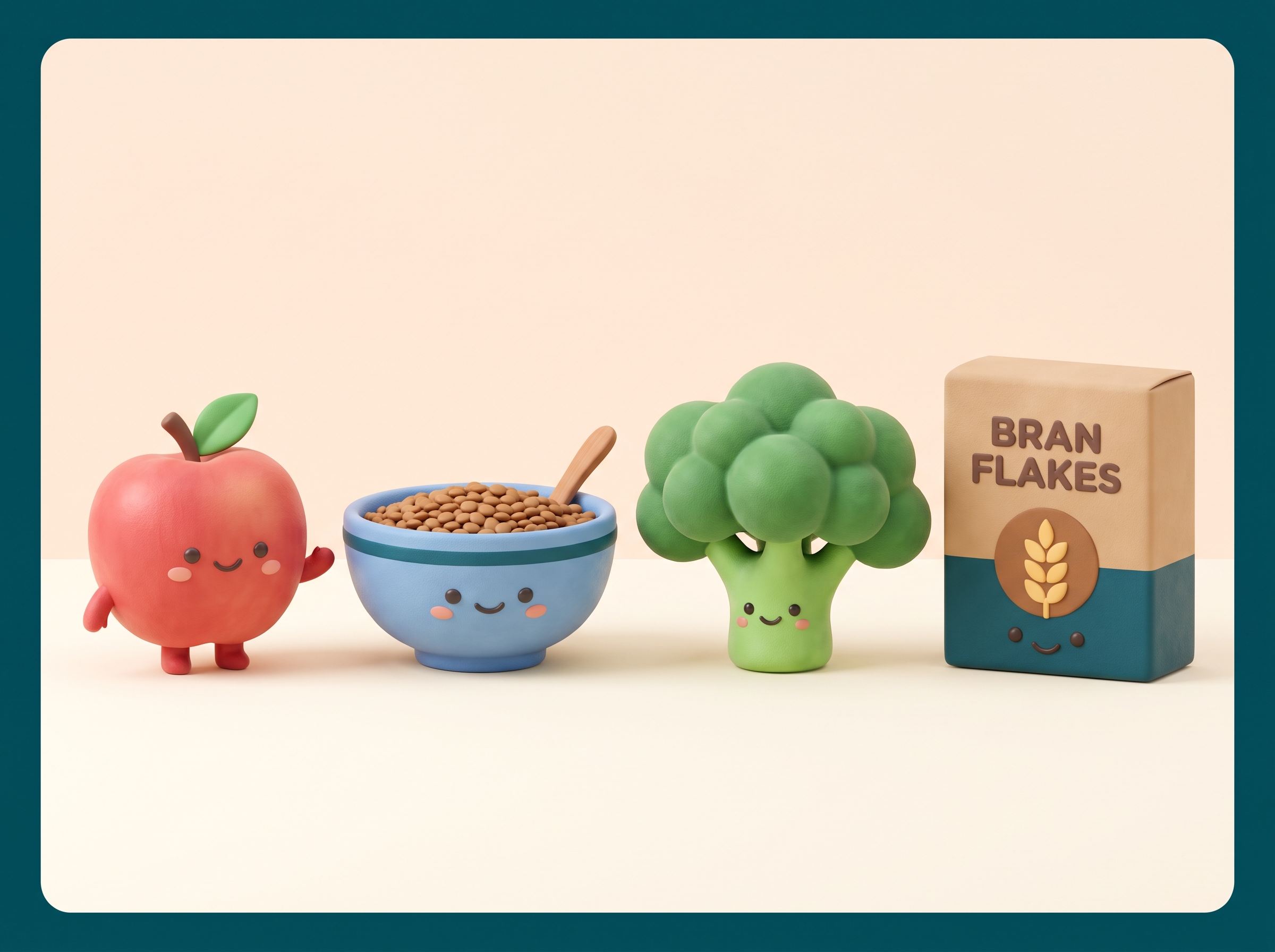
Chasing a higher fiber target sounds simple until you’re standing in the kitchen wondering what actually counts. The good news: you don’t need powders or fortified bars to make real progress. A handful of everyday foods can carry most of the load if you build meals around them regularly. Here are nine high-fiber staples worth keeping in rotation, plus how to use them without overwhelming your gut.
1. Lentils
A single cooked cup of lentils delivers around 15 grams of fiber — more than half the low end of most daily recommendations in one serving. They’re also cheap, cook quickly compared to most legumes, and work in soups, curries, salads, or blended into a dip. Because they’re a concentrated fiber source, start with smaller portions if your gut isn’t used to legumes yet.
2. Black Beans
Black beans bring roughly 15 grams of fiber per cup along with plant protein, making them one of the most efficient fiber-and-protein combos around. They hold up well in burrito bowls, soups, and even blended into brownies for an extra fiber boost that’s hard to detect.
3. Raspberries
Among fruits, raspberries are a standout at about 8 grams of fiber per cup — noticeably more than most berries. Their tiny seeds are part of what makes them fiber-dense, and they’re an easy add to oatmeal, yogurt, or smoothies without needing any prep.
4. Chia Seeds
Two tablespoons of chia seeds contain close to 10 grams of fiber, plus they absorb liquid and form a gel, which is part of why chia pudding became such a fibermaxxing staple. Because they expand, they can also help with satiety — but always give them time to hydrate and drink enough water alongside them.
5. Avocado
One avocado has around 10 grams of fiber, along with heart-healthy fats that help meals feel satisfying. It’s an easy way to add fiber to something that doesn’t taste “healthy,” like toast or eggs, which makes it a low-effort entry point for people who find beans or lentils harder to work into daily meals.
6. Oats
A cup of cooked oats has about 4 grams of fiber, including beta-glucan, a soluble fiber that’s been studied for its role in supporting healthy cholesterol levels as part of an overall balanced diet. Steel-cut or rolled oats retain more of their structure (and fiber) than heavily processed instant varieties.
7. Broccoli
A cup of cooked broccoli offers around 5 grams of fiber along with a solid dose of vitamin C and other micronutrients. Roasting, steaming, or stir-frying all preserve its fiber content, so it’s flexible enough to fit almost any meal style.
8. Split Peas
Split peas pack close to 16 grams of fiber per cooked cup — one of the highest counts on this list — and they cook down into a naturally creamy soup base without needing added cream or thickeners. They’re an easy, budget-friendly way to make a fiber-forward meal feel comforting.
9. Pears
A medium pear with the skin on has about 6 grams of fiber, most of it concentrated near the skin, so peeling it cuts your fiber intake significantly. Pears are also a gentler introduction to fruit-based fiber for people who find some fruits harder on digestion.
How to Add These Without Overdoing It
- Introduce one or two new high-fiber foods per week rather than all nine at once.
- Pair fiber increases with extra water throughout the day.
- Rotate between soluble sources (oats, chia, pears) and insoluble sources (broccoli, skins, whole grains) for a more balanced effect.
- If you notice bloating or discomfort, dial back the pace rather than pushing through it.
The Bottom Line
You don’t need a supplement aisle to hit a healthy fiber target — legumes, fruit, seeds, and vegetables can get most people most of the way there. Add these foods gradually, drink enough water, and pay attention to how your body responds, especially if you have an existing digestive condition where a professional’s input is worth getting first.
Leave a Reply