
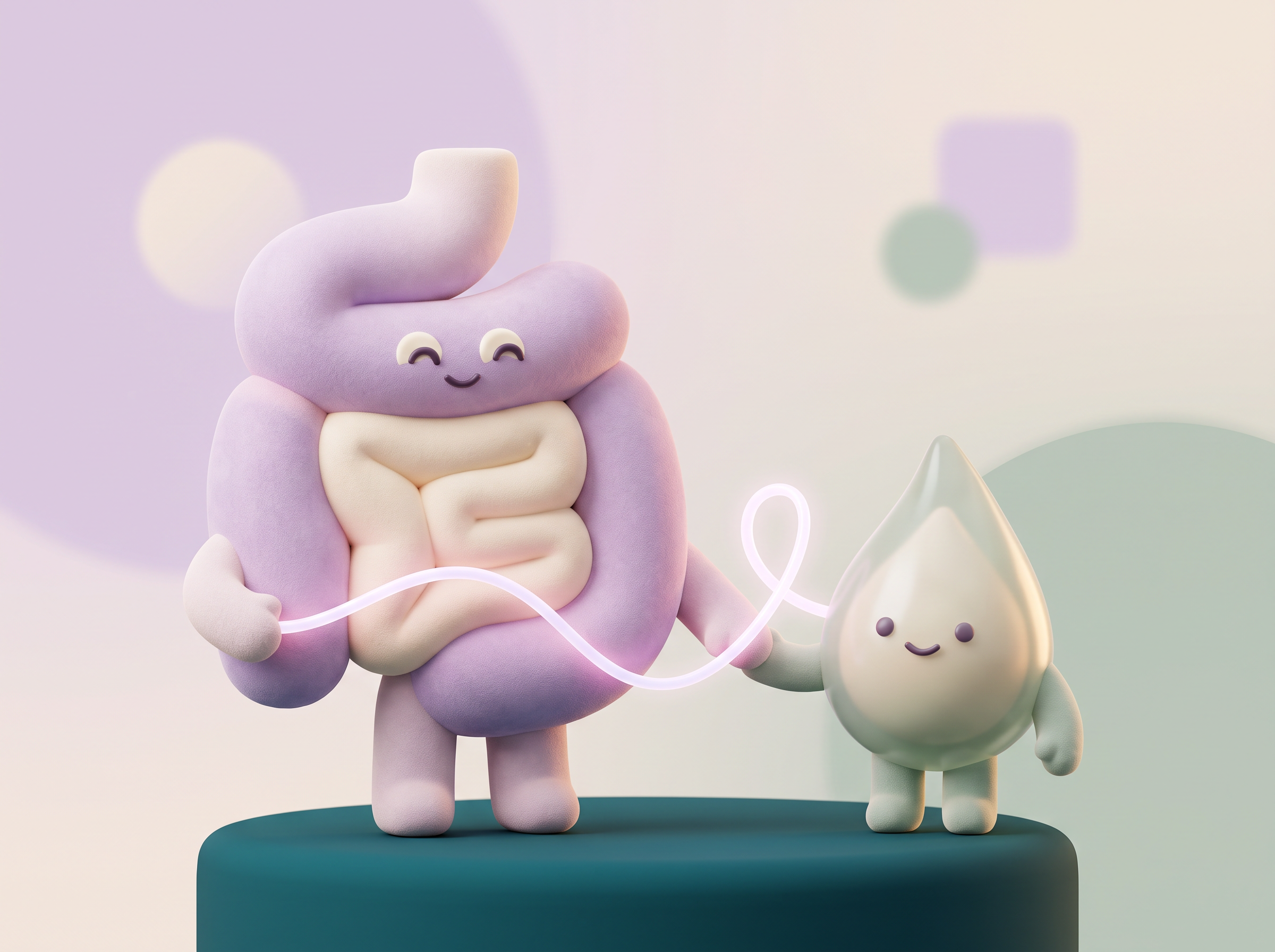
Gut health and hormone health used to get talked about as totally separate topics — one for digestion, one for mood and cycles. That’s changing, and for good reason: your gut and your hormones are in constant conversation with each other. None of the signs below are meant to self-diagnose anything; think of them as prompts to notice patterns and, if something feels off, bring it up with a doctor. Here’s where the gut-hormone connection shows up most often.
1. Digestion Changes Around Your Cycle
Many people notice bloating, looser stools, or constipation shifting predictably around different phases of their menstrual cycle. This happens because estrogen and progesterone influence gut motility and water retention, not because anything is necessarily wrong. If digestive symptoms are severe enough to disrupt your daily life, though, it’s worth discussing with a doctor rather than assuming it’s “just hormones.”
2. Mood Swings Tied to Gut Discomfort
The gut produces a significant portion of the body’s serotonin, and the gut-brain axis means digestive distress and mood can influence each other in both directions. Feeling more irritable or low during periods of gut upset isn’t “in your head” — it reflects a real biological link. That said, persistent mood changes deserve their own conversation with a healthcare provider, independent of digestive symptoms.
3. Skin Flare-Ups That Track With Stress or Cycle Timing
Hormonal shifts affect oil production and inflammation, and gut health influences systemic inflammation more broadly, which is part of why skin changes often cluster around stressful periods or certain points in a cycle. This is a pattern worth noting, not a diagnosis — persistent or severe skin changes are best evaluated by a dermatologist or doctor who can look at the full picture.
4. Sugar or Carb Cravings That Spike at Certain Times
Blood sugar regulation involves both gut bacteria and hormones like insulin and cortisol, and imbalances in either system can show up as stronger cravings, particularly during high-stress periods or specific points in a hormonal cycle. Occasional cravings are normal; if cravings feel unmanageable or come with other symptoms like extreme fatigue, that combination is worth mentioning to a doctor.
5. Sleep Disruption With Digestive Symptoms
Melatonin, the hormone most associated with sleep, is also produced in the gut, and poor sleep has been linked to changes in gut bacteria composition. If you notice that rough sleep stretches line up with more digestive discomfort — or vice versa — that overlap reflects a real physiological connection, not a coincidence. Ongoing sleep problems are worth bringing to a doctor regardless of whether digestion is also involved.
6. Fatigue That Doesn’t Match Your Sleep or Activity
Both thyroid hormones and gut health play roles in energy metabolism, so persistent, unexplained fatigue can sometimes involve either system, or both together. This is exactly the kind of symptom that’s genuinely non-diagnosable from a blog post — fatigue has dozens of possible causes, and a doctor can run the right tests instead of guessing between gut and hormone explanations.
Practical Ways to Support Both Systems
- Eat regularly and include enough fiber, protein, and healthy fats to support stable blood sugar.
- Prioritize sleep consistency, since it affects both gut bacteria and hormone rhythms.
- Track patterns (a simple notes app works fine) if you suspect a connection — specifics help a doctor far more than “I think it’s hormonal.”
- Manage stress with practices that work for you, since chronic stress affects both systems simultaneously.
The Bottom Line
The gut-hormone connection is real and increasingly well-studied, but noticing overlapping patterns isn’t the same as knowing what’s causing them. If any of these signs are frequent, severe, or affecting your quality of life, the right next step is a conversation with a healthcare provider — not a supplement, a trend, or a guess.
Leave a Reply