
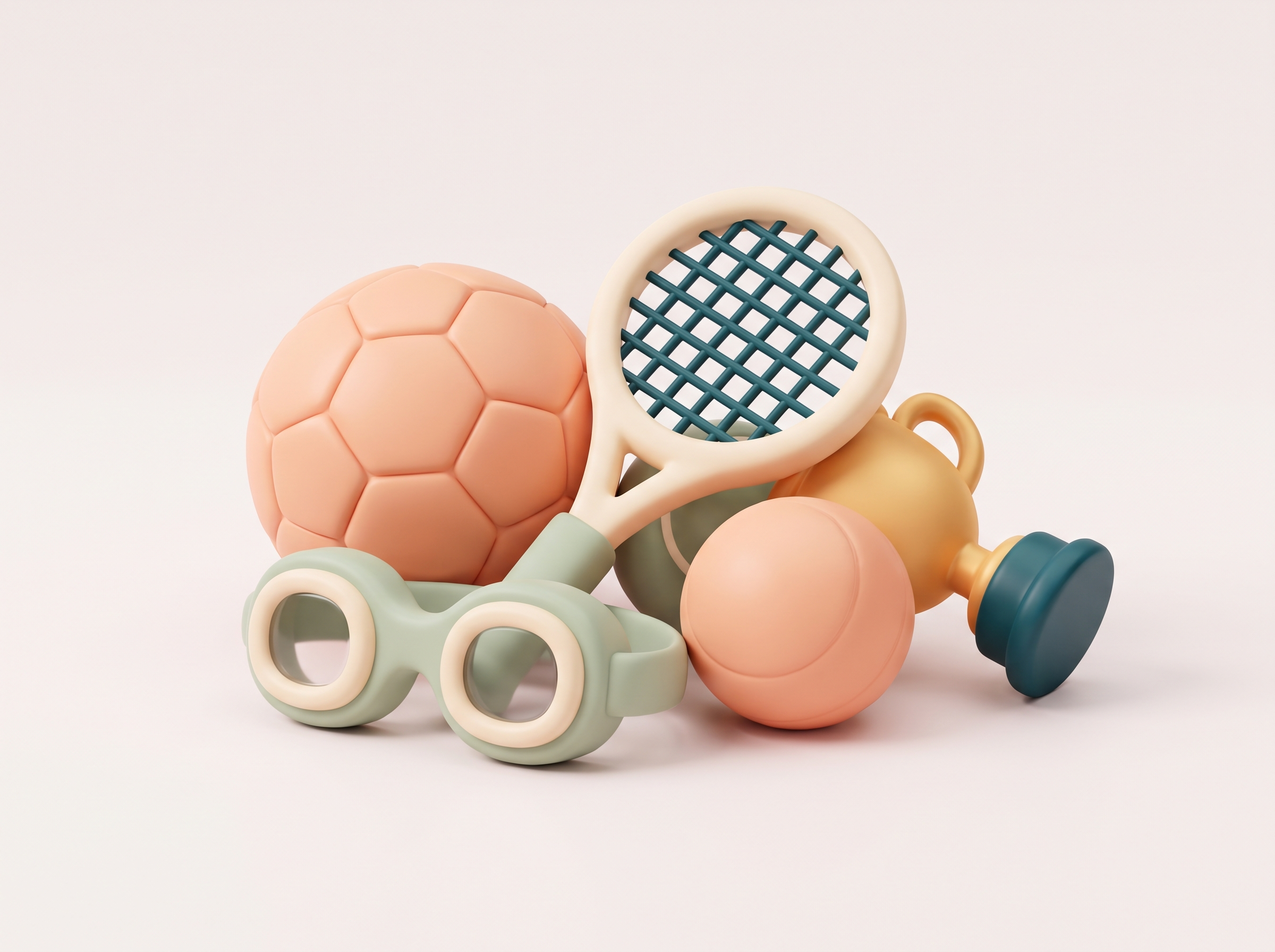
Picking a kid’s “main sport” too early can backfire — early specialization is linked to higher burnout and overuse injury rates in youth athletes, and plenty of successful adult athletes didn’t settle on one sport until their teens. A better approach is letting kids sample a range of beginner-friendly sports first, so they build broad athleticism and figure out what they actually enjoy before narrowing their focus. Here are five great starting points, and why each one teaches something the others don’t.
1. Swimming
Swimming builds full-body coordination, cardiovascular endurance, and water safety — a skill worth having regardless of what sport a child eventually chooses. It’s also one of the lowest-impact sports available, which makes it easy on developing joints and a good option for kids who find running-based sports uncomfortable or overwhelming at first.
- Look for a “learn to swim” program before jumping into a competitive team
- Most community pools offer group lessons at a lower cost than private ones
- Comfort in water is a prerequisite for many other outdoor activities later, from boating to beach vacations
2. Soccer
Soccer is widely available, requires minimal equipment, and constantly demands quick decision-making, spatial awareness, and footwork. Because the whole team is almost always moving, kids get more continuous activity per practice than in sports with a lot of standing around, which also makes it a relatively easy sport for beginners to feel involved in right away rather than sitting out on a bench.
3. Gymnastics or a Tumbling Class
Gymnastics builds body awareness, balance, and strength that transfers into almost every other sport — coaches across disciplines often note that kids with a gymnastics background pick up new movements faster than peers without one. A beginner tumbling class is far less intense than competitive gymnastics and is a reasonable low-pressure entry point for younger kids especially.
- Look for “recreational” or “beginner” classes rather than competitive tracks
- Sessions are often short (30–45 minutes), which suits shorter attention spans
- Falling and landing safely is itself a useful, transferable skill for nearly any other sport
4. Track and Field (or Just Running Club)
Running, jumping, and throwing are foundational movements underneath nearly every other sport. A casual youth track club or running program lets kids try several events, discover what they’re naturally drawn to, and build endurance without the tactical complexity of a team sport. It’s also one of the more forgiving sports to try casually, since kids can participate at their own pace without needing a full roster or opposing team.
5. Martial Arts (Age-Appropriate Programs)
A beginner martial arts class focused on discipline, balance, and controlled movement — rather than competitive sparring — teaches focus and self-regulation alongside physical skill. Many kids who struggle with team-sport dynamics do well in the more individually-paced structure martial arts programs typically offer, since progress is measured against their own previous performance rather than compared directly to teammates.
- Ask about the instructor’s experience working specifically with young children
- Look for programs that emphasize discipline and respect over early competition
- Contact-heavy sparring is usually introduced much later, if at all, for young beginners
How to Actually Introduce a New Sport
The way a sport gets introduced matters almost as much as which one it is. A single high-pressure tryout or a coach who expects prior experience can sour a kid on an activity they might otherwise have loved. Look instead for genuinely beginner-focused programs, and treat the first few sessions as pure exploration rather than a commitment.
- Ask a program directly whether a class is truly beginner-level before signing up
- Let your child sit out or watch the first session if they seem hesitant — forcing participation rarely helps
- Resist comparing progress to other kids in the class; the goal at this stage is exposure, not rankings
- Plan to try each sport for at least a full season before deciding whether it’s a fit
The Bottom Line
There’s no rush to lock a child into one sport, and sampling several often produces better long-term athletes and happier kids than early specialization does. Let interest lead — some kids will gravitate toward one activity quickly, and others will enjoy bouncing between a few for years before settling down, and that’s completely normal. If a child mentions ongoing pain, unusual fatigue, or repeated injury in any activity, it’s worth checking in with a pediatrician or sports medicine provider rather than pushing through it.
Leave a Reply