
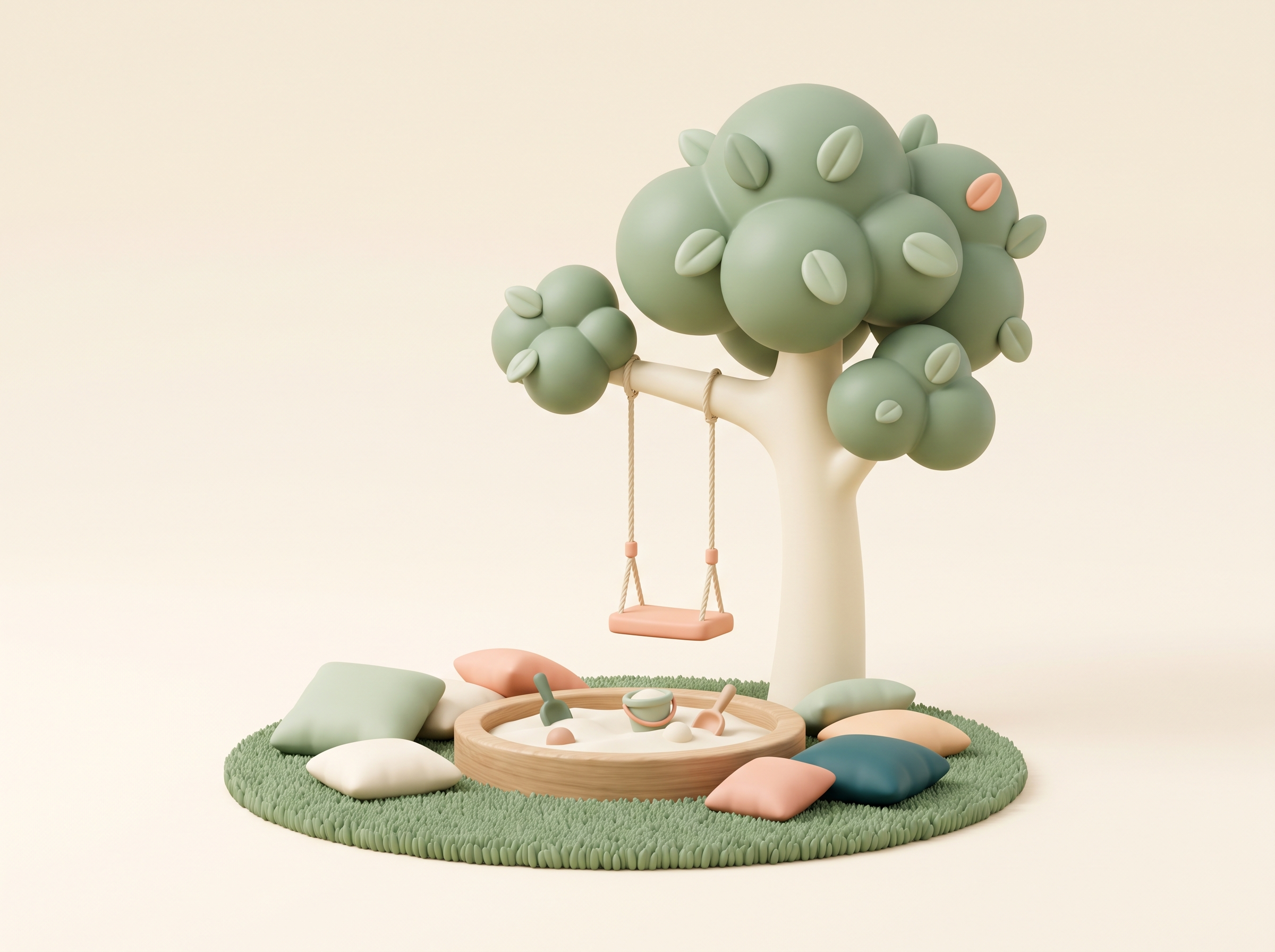
DIY backyard playgrounds are having a real moment — search interest in building your own play space at home has jumped sharply as families look for ways to get kids outside without a big renovation budget. The good news is that a great backyard play area doesn’t require a swing set from a big-box store. It requires a bit of imagination, some basic materials, and a willingness to let the space be a little imperfect. Here’s how to build one that kids will actually use, without cost turning it into a second mortgage.
1. Start With a Mud Kitchen, Not a Play Structure
An old outdoor table or repurposed pallet shelf, a few thrifted pots and pans, and a bucket of water turn into hours of open-ended play. Mud kitchens are one of the cheapest, highest-return additions you can make, and they hold appeal across a wide age range, from toddlers who just like stirring to older kids who turn it into an elaborate “restaurant.”
- Check curb alerts and secondhand marketplaces for a free table base
- Add a chalkboard panel for “menus” or messages
- Keep an old muffin tin on hand for “baking” mud pies
- Position it near a hose or spigot so refilling water is easy
2. Build a Balance and Climbing Path From Scavenged Wood
Logs, stumps, or even sturdy lumber offcuts laid out in a winding path create a simple obstacle course that builds coordination and confidence. Many hardware stores sell scrap or reject lumber for cheap, and untreated logs from a local tree service are often free for the asking. Vary the height and spacing slightly so kids have to actually think about foot placement rather than walking on autopilot.
3. Use a Sandbox Instead of a Full Structure
A sandbox built from a few boards or an old plastic kiddie pool costs a fraction of a play structure and offers just as much engagement, especially for kids under eight. Add a tarp or simple cover to keep rain and neighborhood cats out overnight, and consider a shallow border of pavers or bricks so sand doesn’t migrate into the surrounding grass every time someone climbs in or out.
- Line the bottom with landscape fabric before adding sand to control weeds
- Toss in a few kitchen utensils and old measuring cups as tools
- Position it somewhere with partial shade for hot afternoons
4. Hang a Single Swing From a Sturdy Tree Branch
One rope swing on a strong, healthy tree limb often gets more use than an entire elaborate play set. A basic swing seat and rope kit is inexpensive, and the appeal of a single swing rarely wears off the way a multi-feature structure sometimes does. Before hanging anything, check the branch for cracks or dead wood, and re-check the rope periodically as it weathers outdoors.
5. Create a “Loose Parts” Zone
Set aside a bin or corner with crates, tires, pool noodles, buckets, and boards that kids can rearrange however they want. Loose-parts play — building forts, ramps, and obstacle courses out of open-ended materials — is one of the most researched forms of active outdoor play for building problem-solving skills, since kids are inventing the rules and the structure themselves rather than following a fixed design.
- Rotate materials in and out so the space stays interesting
- Store items in a weatherproof bin to extend their life
- Let kids lead the setup rather than arranging it for them
6. Add Shade Before You Add Anything Else
A cheap shade sail or umbrella extends how long kids can comfortably play outside, especially in peak summer heat. This is often the single most overlooked (and most useful) budget upgrade to any backyard play space — a play area that’s too hot to use for half the day isn’t saving anyone money or time, no matter how clever the design.
The Bottom Line
A backyard playground doesn’t need matching store-bought equipment to be worth having — kids are often more engaged by simple, flexible spaces than by expensive, single-purpose ones. Start with one or two of these ideas, see what actually gets used, and build out from there. Always double-check any structure for stability and splinters, and supervise young children around ropes, swings, and climbing elements.
Leave a Reply