
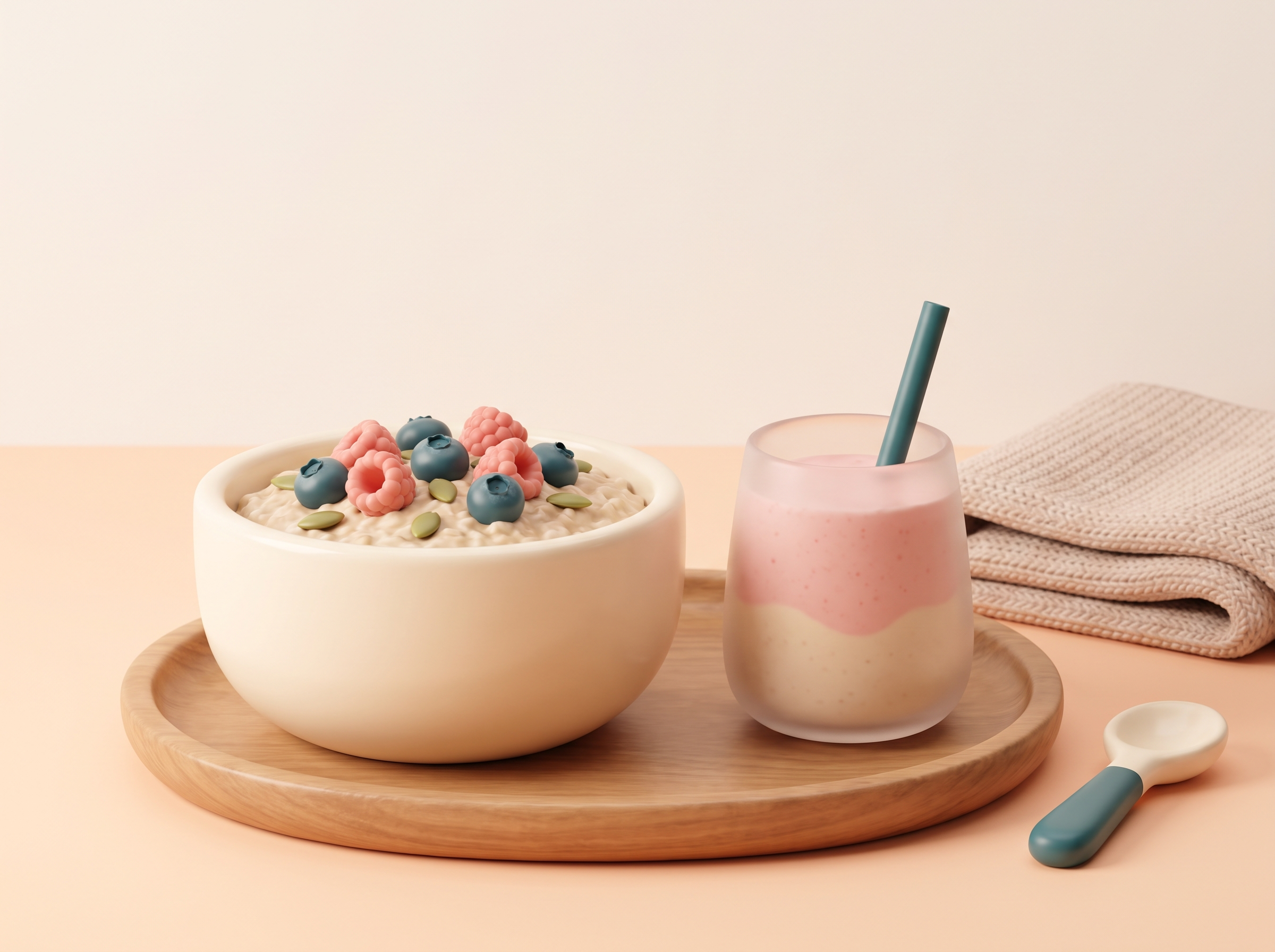
“Fibermaxxing” has taken over wellness feeds with a simple pitch: eat more fiber, feel fuller, longer. The trend is oversimplified in places — nobody needs to hit an extreme fiber number to see benefits, and doing it too fast can backfire with bloating — but the core idea has real nutrition science behind it. Fiber and protein together are genuinely one of the most reliable combinations for staying full through the morning. Here are nine breakfast ideas that put that combination to work, without requiring a pantry overhaul.
1. Overnight Oats With Chia and Berries
Rolled oats plus chia seeds deliver a mix of soluble and insoluble fiber, and letting them sit overnight in milk or a milk alternative makes for a genuinely creamy texture by morning. Top with berries for extra fiber and natural sweetness instead of added sugar.
2. Greek Yogurt With Ground Flaxseed and Sliced Pear
Greek yogurt brings protein, ground flaxseed adds fiber and omega-3s, and a sliced pear (skin on) contributes even more fiber than most fruit. Grinding flaxseed rather than using it whole makes the nutrients more accessible.
- Ground flaxseed can be stored in the fridge for freshness
- Pear skin holds a meaningful share of the fruit’s total fiber
- Add cinnamon for flavor without added sugar
3. Veggie-Loaded Egg Scramble With Whole-Grain Toast
Eggs provide protein, and a scramble packed with spinach, mushrooms, and bell peppers adds fiber and volume without many extra calories. Whole-grain toast rounds it out with more fiber than white bread, thanks to the intact bran layer.
4. Chia Pudding With Almond Butter
Chia seeds absorb liquid and expand into a pudding-like texture, delivering a notable amount of fiber in a small serving. A spoonful of almond butter adds protein and healthy fats, which further slows digestion and extends fullness.
5. Black Bean and Egg Breakfast Tacos
Black beans are one of the highest-fiber foods you can put on a breakfast plate, and pairing them with scrambled eggs in a whole-grain tortilla makes for a filling, savory start to the day. This is also an easy way to use dinner leftovers.
6. Smoothie With Spinach, Frozen Berries, and Ground Flax
A smoothie built around whole fruit, a handful of greens, and a fiber source like flax or chia keeps more of the fiber intact than a juiced version would. Blending, unlike juicing, retains the fibrous pulp rather than discarding it.
- Use whole fruit, not fruit juice, as the base
- Add a protein source like yogurt or protein powder for staying power
- Frozen fruit keeps costs down and works just as well nutritionally
7. Steel-Cut Oatmeal With Apple and Walnuts
Steel-cut oats digest more slowly than instant oats, and adding a chopped apple (skin on) plus walnuts layers in additional fiber, healthy fats, and a bit of crunch. This one’s especially good for meal-prepping in batches.
8. Cottage Cheese With Raspberries and Pumpkin Seeds
Cottage cheese is high in protein, raspberries are one of the higher-fiber berries by volume, and pumpkin seeds add crunch, healthy fats, and a bit more fiber. It’s a lower-effort option for mornings when you’re short on time.
9. Whole-Grain Avocado Toast With a Fried Egg
Whole-grain bread and avocado together deliver a solid fiber base, and a fried egg on top adds protein to round out the meal. It’s a classic for a reason — this combination consistently shows up in fullness research as more satisfying than refined-carb-only breakfasts.
Where “Fibermaxxing” Goes Too Far
Online, the trend often gets pushed into extremes — huge fiber supplement doses, “fiber challenges,” or claims that more is always better. That’s where it stops being useful. Ramping up fiber intake too quickly, especially through supplements rather than food, is a common recipe for bloating, gas, and cramping, and it can also interfere with how your body absorbs certain medications and minerals. The steady, food-first approach in this list is far more sustainable than trying to hit an arbitrary number in a single week.
The Bottom Line
You don’t need to chase an extreme daily fiber target to feel the benefit — a gradual increase, paired with plenty of water, tends to work better than jumping in all at once and dealing with bloating or discomfort. Combining fiber with protein is the real lever behind most of these ideas, not fiber alone. If you have a digestive condition or are making a major dietary change, it’s worth checking with a doctor or dietitian first.
Leave a Reply