
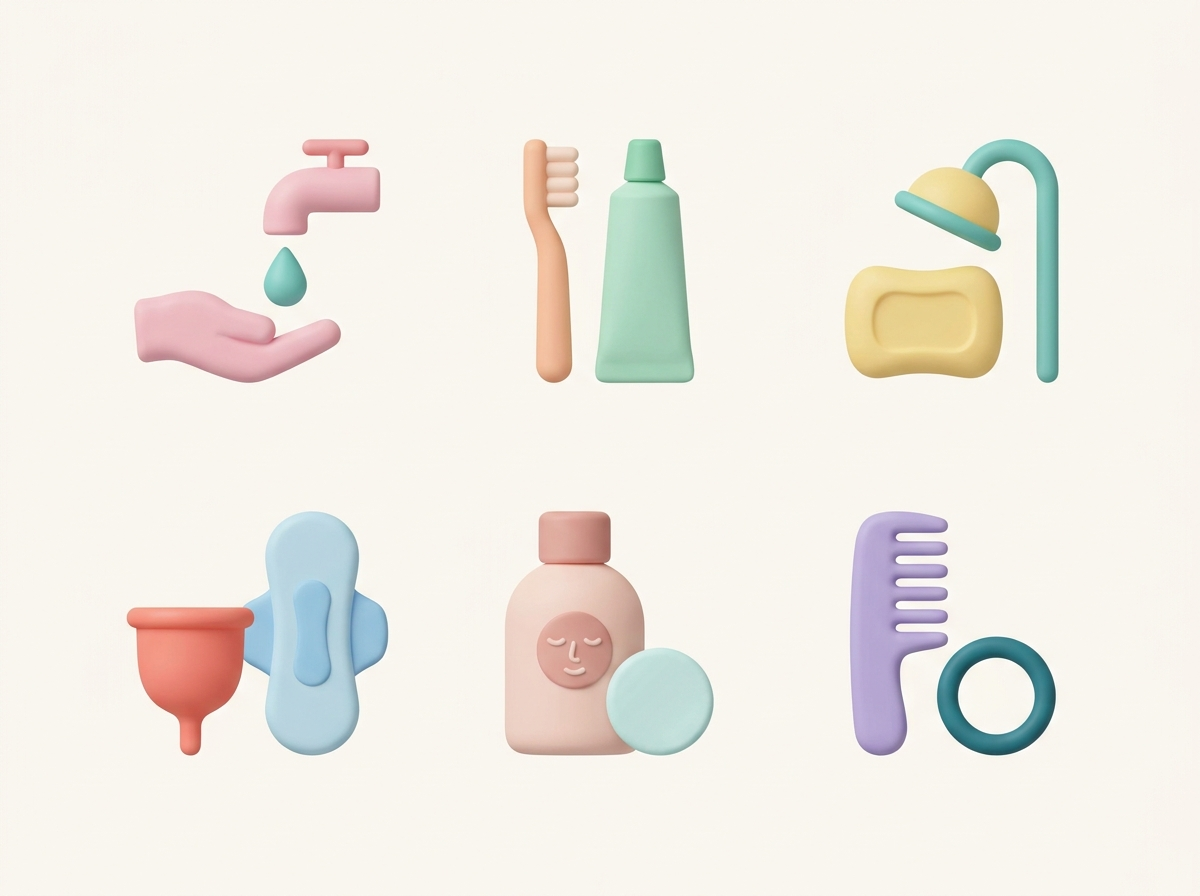
Personal hygiene habits are easy to overlook once they become routine, but a few of them are worth double-checking against actual guidance rather than habit or outdated advice passed down over the years. Here are six worth prioritizing.
1. Daily Showering, With Attention to Key Areas
A daily shower or bath with mild soap, focused on areas prone to sweat and bacteria buildup (underarms, groin, feet), is the foundation of general hygiene. Over-washing with harsh soap can actually dry and irritate skin, so a gentle, fragrance-free cleanser is generally a better choice than harsh antibacterial soap for most people, most days.
2. Oral Hygiene, Twice Daily Plus Flossing
Brushing twice a day and flossing once a day is the baseline dental guidance for good reason — it’s the most effective prevention against cavities and gum disease, and consistency matters more than any specific product.
3. Feminine Hygiene, Without Overdoing It
This is an area where more isn’t better. The vagina is self-cleaning, and douching or using scented feminine washes internally disrupts its natural bacterial balance, which can actually increase the risk of irritation and infection rather than prevent it. External washing with warm water (and mild, unscented soap if desired) is sufficient; scented products and douching are generally discouraged by gynecologists.
4. Hand Hygiene
Washing hands with soap for at least 20 seconds, particularly after using the bathroom, before eating, and after being in public spaces, is one of the single most effective habits for preventing illness transmission — more impactful than most other hygiene habits combined.
5. Foot Care
Washing and thoroughly drying feet daily, especially between the toes, and changing socks daily helps prevent odor and fungal infections like athlete’s foot, which thrive in warm, damp conditions.
6. Clean Clothing and Bedding
Wearing clean underwear daily and washing sheets and towels regularly (weekly for sheets, more often for towels used daily) reduces buildup of sweat, oil, and bacteria that can contribute to skin irritation and odor.
Frequently Asked Questions
Is douching ever recommended by doctors?
No — gynecologists generally advise against douching. It disrupts the vagina’s natural bacterial balance and is associated with a higher risk of infections and irritation, not a lower one.
Is antibacterial soap better than regular soap for daily hygiene?
Not necessarily — for everyday use, regular soap and water are effective, and antibacterial soap hasn’t been shown to provide meaningfully better protection for typical daily hygiene. It can also be more drying for some skin types.
How often should towels really be washed?
Every one to two uses is a common recommendation, since damp towels used repeatedly become a breeding ground for bacteria fairly quickly.
Can poor hygiene habits actually cause infections?
Yes, in some cases — inadequate hand hygiene, damp feet, or disrupting natural bacterial balance (as with douching) can all increase infection risk. Basic, consistent habits are more protective than more intensive but misguided ones.
The Bottom Line
Good hygiene mostly comes down to consistency with the basics — daily washing, oral care, hand hygiene, and clean clothing — while avoiding a few well-intentioned habits, like douching, that actually work against you. When in doubt, simpler and less frequent tends to beat more intensive.
Leave a Reply