
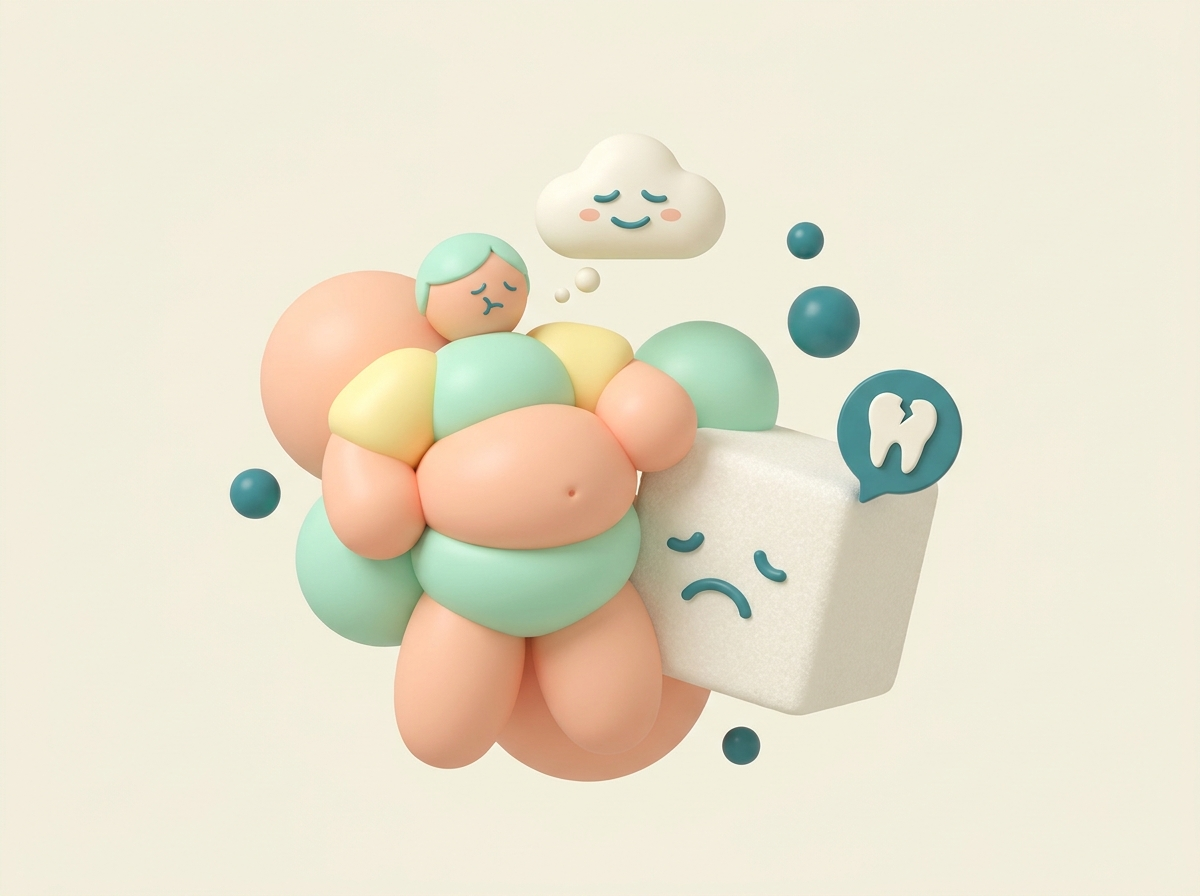
Added sugar hides in more foods than most people realize — not just desserts, but sauces, bread, and “healthy” snack bars. This isn’t a checklist for diagnosing a medical condition; it’s a look at common signs that your sugar intake might be higher than you think, plus when it’s worth getting checked out rather than just cutting back.
Signs Worth Paying Attention To
1. Frequent energy crashes
A pattern of feeling energized shortly after eating something sugary, then crashing an hour or two later, reflects the rapid rise and fall of blood sugar that high-sugar foods can cause, especially without protein or fiber alongside them.
2. Persistent sugar or carb cravings
Regularly eating sugar can reinforce cravings for more of it — this is a real, well-documented pattern involving taste preference and reward pathways, not just “willpower.”
3. Frequent skin breakouts
Some research links high-sugar, high-glycemic diets to increased acne in some people, likely related to blood sugar and inflammation, though genetics and skincare routine matter too.
4. Trouble sleeping
Sugar consumed later in the day, especially close to bedtime, can affect blood sugar and, for some people, sleep quality.
5. Frequent thirst
Regularly feeling unusually thirsty, especially alongside other changes like frequent urination or fatigue, is worth mentioning to a doctor, since it can also be an early sign of blood sugar issues like prediabetes or diabetes, not just high sugar intake.
6. Difficulty managing weight
Added sugar contributes calories without much fullness, which can make it easier to overeat without realizing it — a genuine, if unglamorous, contributor to weight management difficulty for many people.
How Much Sugar Is Actually Recommended
Most health guidelines suggest limiting added sugar to about 25 grams (roughly 6 teaspoons) a day for women and 36 grams (about 9 teaspoons) for men — a single can of soda alone can exceed that. Reading labels for “added sugars” rather than just “sugars” helps, since naturally occurring sugar in fruit and dairy isn’t the same concern.
When to Actually Get Checked
If you’re noticing frequent thirst, frequent urination, unexplained fatigue, or unexplained weight changes alongside sugar cravings, it’s worth asking a doctor for a blood sugar test rather than assuming it’s just diet-related — these can also be early signs of prediabetes or diabetes, which are diagnosed with bloodwork, not symptoms alone.
Frequently Asked Questions
Is sugar addictive in the same way as other substances?
Sugar activates reward pathways in the brain, and cravings are real, but most researchers don’t consider it “addictive” in the same clinical sense as substances like nicotine. Reducing intake gradually tends to reduce cravings over a few weeks for most people.
Does eating sugar cause diabetes directly?
Not directly — type 2 diabetes develops from a combination of genetics, weight, activity level, and metabolic factors. High sugar intake, especially alongside excess calories and inactivity, is a contributing risk factor, not a sole cause.
How do I cut back on sugar without feeling deprived?
Gradual reduction tends to work better than abrupt cuts — swapping sugary drinks for water first, adding protein and fiber to meals, and reading labels for hidden added sugars are practical starting points.
Are artificial sweeteners a good substitute?
They can help reduce sugar and calorie intake for some people, though research on their long-term effects on cravings and metabolism is still evolving. Moderate use is generally considered reasonable.
The Bottom Line
These signs suggest your sugar intake may be worth a closer look, not that something is medically wrong. If you notice symptoms like frequent thirst or unexplained fatigue alongside sugar cravings, get bloodwork done rather than assuming it’s just diet.
Leave a Reply