Category: Family & Parenting Health

  • DIY Backyard Playground Ideas That Don’t Cost a Fortune

    DIY Backyard Playground Ideas That Don’t Cost a Fortune

    DIY backyard playgrounds are having a real moment — search interest in building your own play space at home has jumped sharply as families look for ways to get kids outside without a big renovation budget. The good news is that a great backyard play area doesn’t require a swing set from a big-box store. It requires a bit of imagination, some basic materials, and a willingness to let the space be a little imperfect. Here’s how to build one that kids will actually use, without cost turning it into a second mortgage.

    1. Start With a Mud Kitchen, Not a Play Structure

    An old outdoor table or repurposed pallet shelf, a few thrifted pots and pans, and a bucket of water turn into hours of open-ended play. Mud kitchens are one of the cheapest, highest-return additions you can make, and they hold appeal across a wide age range, from toddlers who just like stirring to older kids who turn it into an elaborate “restaurant.”

    • Check curb alerts and secondhand marketplaces for a free table base
    • Add a chalkboard panel for “menus” or messages
    • Keep an old muffin tin on hand for “baking” mud pies
    • Position it near a hose or spigot so refilling water is easy

    2. Build a Balance and Climbing Path From Scavenged Wood

    Logs, stumps, or even sturdy lumber offcuts laid out in a winding path create a simple obstacle course that builds coordination and confidence. Many hardware stores sell scrap or reject lumber for cheap, and untreated logs from a local tree service are often free for the asking. Vary the height and spacing slightly so kids have to actually think about foot placement rather than walking on autopilot.

    3. Use a Sandbox Instead of a Full Structure

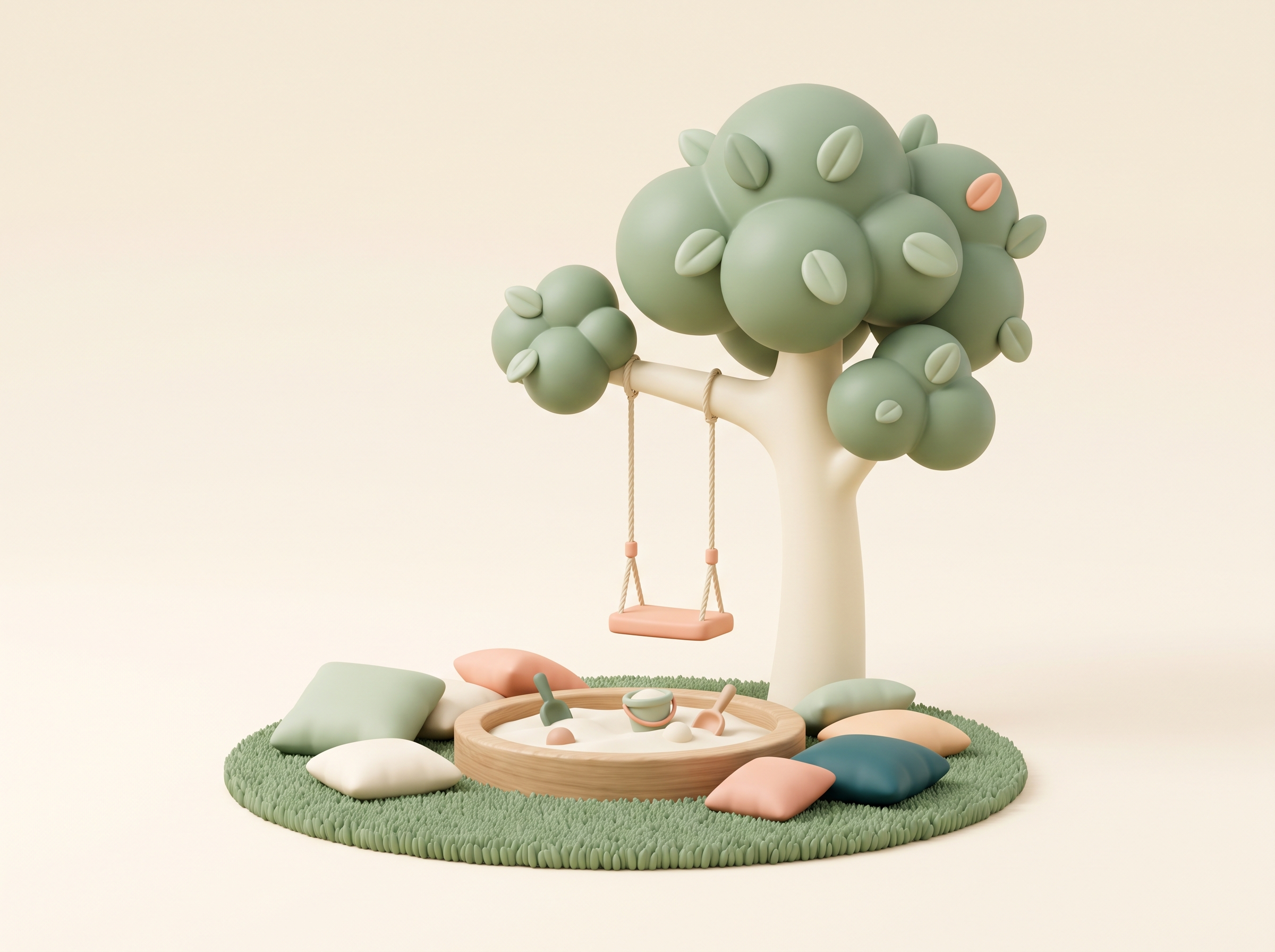
    A sandbox built from a few boards or an old plastic kiddie pool costs a fraction of a play structure and offers just as much engagement, especially for kids under eight. Add a tarp or simple cover to keep rain and neighborhood cats out overnight, and consider a shallow border of pavers or bricks so sand doesn’t migrate into the surrounding grass every time someone climbs in or out.

    • Line the bottom with landscape fabric before adding sand to control weeds
    • Toss in a few kitchen utensils and old measuring cups as tools
    • Position it somewhere with partial shade for hot afternoons

    4. Hang a Single Swing From a Sturdy Tree Branch

    One rope swing on a strong, healthy tree limb often gets more use than an entire elaborate play set. A basic swing seat and rope kit is inexpensive, and the appeal of a single swing rarely wears off the way a multi-feature structure sometimes does. Before hanging anything, check the branch for cracks or dead wood, and re-check the rope periodically as it weathers outdoors.

    5. Create a “Loose Parts” Zone

    Set aside a bin or corner with crates, tires, pool noodles, buckets, and boards that kids can rearrange however they want. Loose-parts play — building forts, ramps, and obstacle courses out of open-ended materials — is one of the most researched forms of active outdoor play for building problem-solving skills, since kids are inventing the rules and the structure themselves rather than following a fixed design.

    • Rotate materials in and out so the space stays interesting
    • Store items in a weatherproof bin to extend their life
    • Let kids lead the setup rather than arranging it for them

    6. Add Shade Before You Add Anything Else

    A cheap shade sail or umbrella extends how long kids can comfortably play outside, especially in peak summer heat. This is often the single most overlooked (and most useful) budget upgrade to any backyard play space — a play area that’s too hot to use for half the day isn’t saving anyone money or time, no matter how clever the design.

    The Bottom Line

    A backyard playground doesn’t need matching store-bought equipment to be worth having — kids are often more engaged by simple, flexible spaces than by expensive, single-purpose ones. Start with one or two of these ideas, see what actually gets used, and build out from there. Always double-check any structure for stability and splinters, and supervise young children around ropes, swings, and climbing elements.
  • 6 Family Traditions Worth Starting (Even If You’re Starting Late)

    6 Family Traditions Worth Starting (Even If You’re Starting Late)

    Traditions don’t have to come from your childhood to count. If your family never had a “thing” — a weekly ritual, a holiday quirk, a saying that gets repeated every year — you can still build one starting tonight. The families who feel most connected usually aren’t the ones with the fanciest traditions; they’re the ones who just picked something and kept doing it, imperfectly, over and over. Here are six low-effort, high-payoff traditions worth starting, no matter how old your kids are or how late you’re getting to the party.

    1. A Weekly “No Agenda” Meal

    Pick one meal a week — Sunday breakfast, Tuesday tacos, whatever fits your schedule — and protect it from phones, homework, and errands. It doesn’t need to be fancy or even homemade. The point isn’t the food; it’s that everyone knows this hour is reserved for the family, every single week, without fail. Over time, kids start to expect it, plan around it, and eventually bring their own friends or partners into it.

    • Start with 20 minutes if a full hour feels unrealistic right now
    • Let kids pick the menu on rotation so they feel ownership
    • Keep a running list of “table topics” for nights when conversation stalls
    • Put it on the calendar like any other commitment so it doesn’t quietly slip

    2. An Annual “State of the Family” Walk or Drive

    Once a year — a birthday, New Year’s Day, the first day of summer — take a walk or drive together and talk about what everyone’s excited about, worried about, or hoping to try in the year ahead. It sounds simple, but naming things out loud tends to make them feel more real and more possible. It also gives quieter family members a natural, low-pressure moment to speak up, since a car or a sidewalk feels less loaded than a sit-down conversation.

    • Ask each person one “keep, start, stop” question
    • Take a photo in the same spot each year to see how everyone’s changed
    • Keep it under 30 minutes so it never starts to feel like a chore

    3. A “Welcome Home” Ritual

    Whether it’s a specific song that plays when someone walks in, a high-five at the door, or always asking “best part of your day?” before anything else, a small welcome-home ritual signals that arriving home matters. Consistency is what makes it a tradition rather than a one-off cute idea. Even teenagers who roll their eyes at first tend to quietly keep doing it once it’s been around for a year or two.

    4. A Yearly Time Capsule

    Once a year, everyone writes down (or draws, for younger kids) a few predictions, favorite memories, and current obsessions, then seals it in a box or envelope. Open the previous year’s capsule before sealing the new one. Kids especially love seeing how much changes in twelve months — favorite songs, best friends, and even handwriting shift noticeably year to year, and having a physical record of that is something store-bought keepsakes rarely capture.

    • Use a simple shoebox — no need to buy anything special
    • Include a photo of everyone from that year
    • Store it somewhere you’ll actually remember, like with holiday decorations

    5. A Family Playlist That Grows Every Year

    Add a few songs to a shared playlist each year — ones that were on repeat, ones tied to a trip or a phase, ones someone just liked. Years later, hitting shuffle on that playlist becomes its own kind of time travel. This works especially well for families who spend a lot of time in the car together, since long drives naturally create space for music to become part of shared memory rather than background noise.

    6. A Recurring “Because We Said So” Day

    Pick one low-stakes day a year that’s just yours — not tied to any holiday — and give it a silly, specific name and a small ritual (pancakes for dinner, a particular movie, matching pajamas). Made-up holidays tend to become some of the most anticipated traditions precisely because they belong only to your family, and kids often remember them more fondly than the “official” holidays everyone else celebrates the same way.

    The Bottom Line

    You don’t need a perfect plan or a Pinterest-worthy setup to start a family tradition — you need repetition. Pick one idea from this list, do it twice, and by the third time it will already start to feel like “just what we do.” Starting late doesn’t make a tradition less real; it just means the story of how it began gets to be part of the tradition too.

  • Digital Detox for Families: What It Actually Looks Like Day to Day

    Digital Detox for Families: What It Actually Looks Like Day to Day

    “Digital detox” gets thrown around as a weekend cure-all, but for families it rarely looks like a dramatic unplugging. Interest in the digital detox aesthetic has grown fast on Pinterest this year, and most families trying it describe something quieter and more gradual than the term suggests. Here’s what it tends to actually look like once the novelty wears off, and how to set it up realistically. The families who keep it going past the first week almost always describe it as a set of small, boring habits rather than a single dramatic change.

    Morning: Fewer Screens at the Start of the Day

    A lot of families start with the first hour after waking up — no phones, no tablets, no morning cartoons before breakfast. It’s less about the content and more about setting a tone: mornings that start with a scroll tend to feel rushed and reactive, while a screen-free start gives room for breakfast, getting dressed, and actually talking before the day’s demands take over. Some families extend this to the last thirty minutes before bed as well, since a calmer wind-down tends to make the whole evening feel less rushed.

    Midday: Redefining “Bored”

    The biggest adjustment usually isn’t the screen time itself — it’s tolerating the boredom that shows up right after it’s removed. Kids (and adults) often complain loudly in the first few days. Families who stick with a detox tend to expect this phase and ride it out rather than reintroducing screens the moment things get whiny.

    • Keep a low-effort backup list handy (blocks, coloring, a deck of cards) for the “I’m bored” window
    • Resist the urge to fully entertain kids yourself — some boredom is the point
    • Expect the complaints to fade within a week or two as new habits form

    Mealtimes: The Easiest Rule to Keep

    Phones away during meals is the single most common rule families report keeping long-term, likely because it’s specific, easy to enforce, and doesn’t require constant renegotiation. It also tends to be where families notice the biggest shift in actual conversation.

    Evening: The Hardest Part to Change

    Evenings are where digital detox plans most often break down, since that’s when parents are tired and screens are the path of least resistance for keeping kids occupied. Families who make evening changes stick tend to swap one thing at a time — replacing screen time with a single family activity, like a game or a walk, rather than banning screens outright with nothing to fill the gap.

    Weekends: Where Families Go Further

    Some families use weekends to test a longer stretch — a full device-free Saturday, or a screen-free family outing. These bigger experiments tend to work better once the smaller daily habits (mornings, meals) are already in place, since jumping straight to a full day cold often backfires into frustration for everyone. Starting small and building up tends to produce a version families actually keep past the first month.

    What Actually Changes vs. What’s Overhyped

    • What tends to genuinely change: mealtime conversation, morning routines, and how present parents feel during downtime
    • What’s often overstated: the idea that a detox alone will fix a child’s mood, focus, or sleep on its own — those usually need a broader look at routines, not just less screen time
    • What takes longer than expected: kids adjusting to boredom; most families report the first week is the hardest

    Setting It Up So It Actually Sticks

    • Pick two or three specific windows (morning, meals, bedtime) instead of an all-day ban
    • Get buy-in from the whole family, including adults modeling the same limits
    • Keep a simple list of backup activities within easy reach for boredom moments
    • Review after two weeks and adjust what isn’t realistic for your schedule

    The Bottom Line

    A family digital detox works best as a set of specific, sustainable habits rather than a dramatic reset. Every family’s relationship with screens is different, and there’s no universal “right” amount of screen time that fits every household. If screen use seems tied to a bigger issue — persistent sleep problems, mood changes, or a child who seems distressed without a device — that’s worth discussing with a pediatrician rather than addressing with a detox alone.

  • Outdoor Learning at Home: 7 Simple Ways to Start This Week

    Outdoor Learning at Home: 7 Simple Ways to Start This Week

    Outdoor learning sounds like it requires a forest school membership or a curriculum binder, but most of it is far simpler than that: taking an ordinary lesson or activity and moving it outside. Interest in outdoor and nature-based learning at home has been climbing, and the appeal makes sense — it’s a low-cost way to add variety and movement to a kid’s day without needing new equipment. None of these require a curriculum purchase or a big time commitment — most take the same fifteen or twenty minutes you’d spend on an indoor activity anyway. Here are seven ways to start this week.

    1. Take Math Outside

    Counting petals on a flower, measuring a stick against a ruler, or estimating how many steps it takes to cross the yard turns abstract math into something kids can touch. Even simple addition works well with collected leaves or rocks as counters, and for older kids you can turn a garden bed or patio into an easy geometry lesson using shapes and angles.

    2. Start a Nature Journal

    A notebook and a pencil are all it takes. Kids draw or write about one thing they noticed on a walk — a bug, a cloud shape, a smell — and over a few weeks it becomes a record they’re proud of, plus solid handwriting and observation practice. The habit of noticing small details tends to carry over into how kids pay attention on walks even when they don’t have the journal with them.

    • Keep entries to one page, five minutes max
    • Let younger kids dictate while you write, or just draw
    • Revisit old entries occasionally to talk about what’s changed with the seasons

    3. Read Aloud on a Blanket

    Moving story time outside doesn’t change the activity, but it changes how kids experience it — many parents find kids sit longer for a read-aloud on a blanket in the yard than they do on the couch, likely because the outdoor setting itself feels like a small event.

    4. Build a Weather Station

    A simple thermometer, a rain gauge (even a marked jar works), and a daily log of the sky turns basic science observation into a routine. Kids build real data literacy by tracking patterns over a week or a month, and it’s an easy way to talk about cause and effect.

    5. Try a Backyard Scavenger Hunt With a Twist

    Instead of a generic “find these things” list, tie the hunt to a subject: colors and shapes for younger kids, plant identification or symmetry for older ones. It keeps the format familiar while sneaking in a specific learning goal.

    6. Garden, Even in a Small Space

    A single pot of herbs on a balcony teaches the same lessons as a full garden: patience, responsibility, and basic plant biology. Watching something grow over weeks gives kids a concrete example of cause and effect that’s hard to replicate indoors.

    7. Do Art With Natural Materials

    Leaf rubbings, mud painting, or arranging sticks and stones into patterns (a nod to land art) let kids create without worrying about “getting it right.” It’s an easy way to combine art and science observation in one low-prep activity.

    • Leaf and bark rubbings with paper and crayon
    • Sorting collected items by color, size, or shape
    • Building small sculptures from sticks, stones, and pinecones

    Making It a Habit, Not a One-Off

    The families who keep outdoor learning going tend to attach it to something already in the routine — a Saturday morning walk that includes ten minutes of nature journaling, or a weekday snack eaten on the porch instead of the kitchen table. Tying it to an existing habit means it doesn’t need its own slot on the calendar to survive a busy week.

    The Bottom Line

    Outdoor learning at home works best as an addition to, not a replacement for, whatever structured learning or schooling your child already has. Every child engages with outdoor activities differently, and some will need more encouragement (or more shade, or fewer bugs) than others before it clicks. If you have specific concerns about your child’s learning progress or development, that’s a conversation worth having with their teacher or pediatrician rather than something to troubleshoot with activities alone.

  • 8 Sensory Play Ideas for Toddlers That Take 5 Minutes to Set Up

    8 Sensory Play Ideas for Toddlers That Take 5 Minutes to Set Up

    Sensory play gets recommended constantly for toddlers, but a lot of the ideas floating around involve prep that eats up more time than the actual play does. These eight ideas use things most households already have, and none of them takes longer than five minutes to set up. Sensory play matters for toddlers because it gives their developing brains a low-stakes way to practice processing touch, texture, and cause and effect — but it doesn’t need to be elaborate to do that job well.

    1. Dry Rice or Pasta Bin

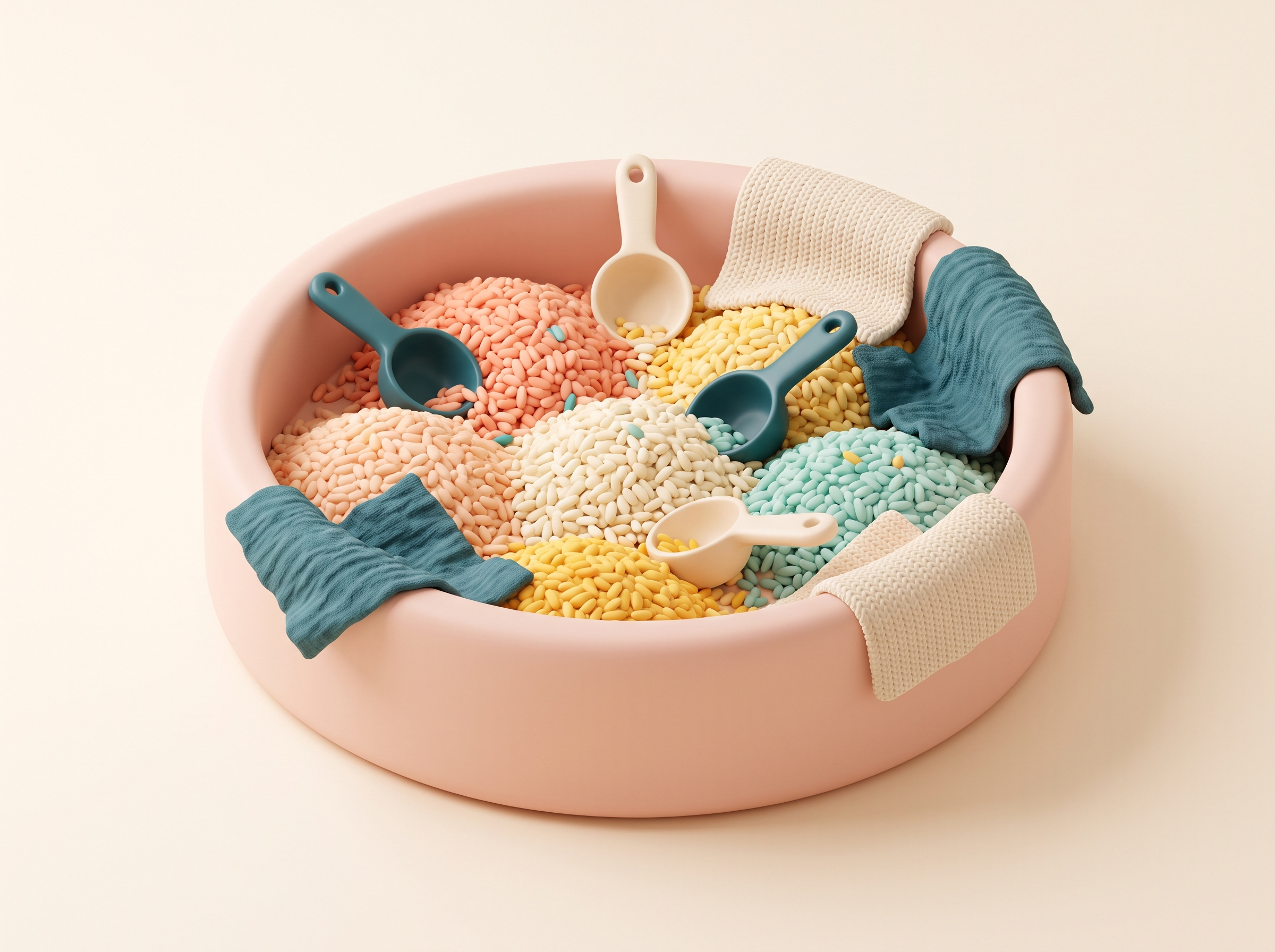
    Fill a shallow bin with dry rice or pasta, toss in some measuring cups and spoons, and let your toddler scoop and pour. It’s simple, but the repetitive scooping motion is genuinely engaging for toddlers and tends to hold attention longer than flashier toys. Add a funnel or a few small cups of different sizes to extend the play once basic scooping loses its novelty, and a small broom nearby makes the inevitable spills part of the fun rather than a chore.

    2. Frozen Toy Excavation

    Freeze a few small toys in a container of water the night before, then hand your toddler a spoon (or, for slightly older kids, a small plastic hammer) to chip the toys free. It combines sensory input from the cold and texture with a satisfying “discovery” moment, and toddlers often ask to do it again immediately once the first toy is free.

    3. Shaving Cream on a Tray

    A dollop of shaving cream on a cookie sheet or high-chair tray gives toddlers a squishy surface to draw in with fingers. It wipes up easily and doubles as an early pre-writing activity once they start tracing lines and shapes.

    4. Water Beads or Ice Cube Sensory Bin

    Ice cubes in a bin with a few cups and small toys give toddlers a cold, melting, ever-changing texture to explore. Always supervise closely with any small-item sensory bin, since toddlers explore with their mouths, and skip loose water beads for children who still mouth objects.

    5. Texture Walk Basket

    Gather a few household items with very different textures — a cotton ball, a piece of sandpaper, a soft sponge, a smooth spoon — in a basket and let your toddler handle each one. Naming the textures out loud (“soft,” “rough,” “cold”) adds a language boost to the sensory input.

    6. Homemade Playdough

    A basic flour, salt, oil, and water dough comes together in a few minutes on the stove or even without cooking, and the squishing, rolling, and pinching motions build hand strength toddlers will use later for writing.

    • 2 cups flour, 1/2 cup salt, 2 tablespoons oil, 1 cup warm water
    • Mix, knead until smooth, and store in an airtight container
    • Add a drop of food coloring for extra sensory appeal

    7. Bubble Wrap Stomp Mat

    Tape a sheet of bubble wrap to the floor and let your toddler stomp, crawl, or walk across it. The popping sound and texture underfoot make this a favorite for kids who enjoy more physical, high-input sensory play.

    8. Sponge and Water Transfer

    Two bowls, some water, and a kitchen sponge are enough for a toddler to practice squeezing water from one bowl to another. It’s a simple activity, but the hand-strengthening and concentration involved make it worth repeating often.

    A Few General Tips for Sensory Play

    • Lay down a towel or shower curtain first to make cleanup faster
    • Rotate which activity you offer so nothing gets stale, but don’t feel obligated to have something new daily
    • Follow your toddler’s lead — if they want to do the same bin three days running, that repetition is doing real work
    • Stay within arm’s reach for anything involving small parts, water, or food items

    The Bottom Line

    Sensory play doesn’t need a curated bin or a big supply haul — most of these ideas use items already in a kitchen drawer. Every toddler engages with sensory input differently, and that’s normal; some kids dive right in while others need a few tries to warm up. If your toddler consistently avoids certain textures, seems distressed by common sensory experiences, or you have broader developmental questions, it’s worth mentioning to your pediatrician rather than guessing on your own.

  • The ‘No Phone Summer’ Trend: What It Is and How Families Are Trying It

    The ‘No Phone Summer’ Trend: What It Is and How Families Are Trying It

    “No phone summer” has been showing up across Pinterest and family blogs, and searches for it have climbed sharply this year. The idea is simple on the surface — kids (and sometimes parents) put phones away for the season — but how families actually pull it off varies a lot. Here’s what the trend really means, what’s genuinely useful about it, and what tends to get oversimplified along the way.

    What “No Phone Summer” Actually Means

    Very few families are doing a literal, zero-device summer. Most versions are more like a reset: phones get put away during set hours or specific activities (meals, car rides, the first hour after waking up), rather than banned outright. The families who stick with it tend to define the rules narrowly and specifically instead of aiming for an all-or-nothing ban, since a vague goal like “less screen time” is much harder to actually follow through on than a concrete rule like “no phones after 8pm.”

    Why It’s Gaining Traction Right Now

    A lot of parents describe feeling like summer used to mean unstructured, boredom-driven play, and that phones (for both kids and adults) have quietly eaten into that. The appeal isn’t really anti-technology — it’s wanting a season that feels different from the rest of the year, with more outdoor time and fewer notifications pulling attention away from what’s happening in the room. For a lot of parents, it’s also a response to their own habits — noticing how often they reach for a phone during a conversation with their kids, and wanting a season that looks different.

    What a Typical Week Looks Like

    In practice, a lot of “no phone summer” weeks include a mix of outdoor camps or activities during the day, a phone-free stretch after dinner, and one or two fully unplugged days built around a family outing. The point isn’t to hit a perfect streak — it’s to have more days that feel different from a normal screen-heavy afternoon than not.

    What Families Are Actually Trying

    • Phone baskets: a shared basket by the door where devices go during set family hours
    • Device-free zones: no phones at the dinner table or in bedrooms, rather than no phones at all
    • Scheduled windows: kids get phone time after outdoor time or chores, instead of open access
    • Parent participation: many versions of this trend explicitly include adults cutting back too, not just kids

    Where the Trend Gets Oversimplified

    Some of the more viral versions of “no phone summer” present it as an easy fix for boredom, attention, or family closeness, which oversells it. Removing a phone doesn’t automatically produce a better summer — it just creates space that still needs to be filled with something, whether that’s activities, friends, or simply learning to sit with boredom. It also isn’t realistic for every family: teens who use phones to stay in touch with friends, coordinate rides, or manage schoolwork tools may need a more flexible version than younger kids do. A rigid, all-or-nothing rule for a teenager can backfire, creating secrecy or conflict instead of the calmer summer parents are hoping for.

    How to Try a Version That Fits Your Family

    • Pick one or two specific times or places to go phone-free rather than the whole day
    • Involve kids in setting the rules so it feels less like a punishment
    • Have a plan for what fills the space — activities, plans, or simply unstructured time
    • Expect pushback in the first week; it tends to ease once new routines settle in
    • Revisit the plan partway through summer and adjust what isn’t working

    Common Sticking Points

    • Boredom complaints spike in the first several days before easing off
    • Coordinating with other households (playdates, camps) can be tricky if not everyone is on the same page
    • Parents’ own phone habits are often the hardest part to change, even though kids notice them the most

    The Bottom Line

    “No phone summer” works best as a flexible framework, not a strict rule to enforce perfectly. Families who scale it to their actual routine — rather than chasing an all-or-nothing version they saw online — tend to stick with it longer and feel less friction. If screen use is tied to a bigger concern, like a teen’s mood or a younger child’s sleep, it’s worth talking to a pediatrician or family counselor about what’s really going on rather than expecting a device break alone to fix it.

  • 7 Screen-Free Activities Kids Actually Ask For Twice

    7 Screen-Free Activities Kids Actually Ask For Twice

    Every parent has tried the screen-free activity that gets a five-minute glance and a hard pass. The trick isn’t finding more activities — it’s finding the handful that kids actually come back to on their own. Pinterest searches for screen-free family activities have jumped sharply this year, and the ideas gaining traction share a pattern: they give kids a reason to repeat them, not just try them once. What makes an activity earn a repeat request usually isn’t complexity — it’s some combination of a satisfying payoff, room for the child to change it up, and just enough challenge to feel like a small accomplishment. Here are seven that tend to earn a second (and third) request.

    1. The Living Room Obstacle Course

    Couch cushions, pillows, painter’s tape, and a stopwatch turn a rainy afternoon into a full-body challenge. Kids love that they can rebuild the course differently each time and try to beat their own record, which is what separates this from a one-and-done activity — there’s always a new layout to try or a faster time to chase.

    • Use painter’s tape on the floor for a “lava” path they can’t touch
    • Time each run and let them design the next layout
    • Add a balance beam using a taped line or a low, sturdy board

    2. Invisible Ink Notes

    Lemon juice and a cotton swab let kids write secret messages that only appear when held near a warm lightbulb or gently heated by an adult with a hairdryer. The reveal moment is what keeps this one in rotation — kids will write a dozen “invisible” notes just to watch them appear, and older kids often turn it into a game of passing secret notes between siblings or friends.

    3. Backyard (or Balcony) Scavenger Hunts

    A simple list — something smooth, something that makes a sound, something round, something that smells nice — works for toddlers through tweens because you can scale the difficulty. Rotate the list each week so it stays fresh instead of becoming a chore.

    • Theme it seasonally (fall colors, signs of spring, bug hunt)
    • Let older kids write the list for younger siblings
    • Use a small basket or bag so items get collected, not just spotted

    4. Cardboard Box Anything

    A large appliance box beats most toys on the market, and it’s not close. Kids return to the same box for days because it becomes whatever they need that day: a fort, a car, a puppet theater, a rocket. Cut a window and a door, hand over some markers, and step back.

    5. Kitchen Science That’s Actually Edible

    Mixing baking soda and vinegar is fine, but activities kids repeat tend to end in a snack. Making butter by shaking heavy cream in a jar, or growing rock candy on a string, gives kids a science process with a payoff they can eat.

    6. Family Card Game Tournaments

    Simple games like Uno, Go Fish, or Slapjack build in enough randomness that kids of different ages can genuinely compete, which is why they ask to play again almost immediately. Keep a running “family championship” tally on the fridge to add a bit of stakes without pressure.

    7. Nature Journals

    A cheap notebook and colored pencils turn a regular walk into an activity kids want to repeat, especially if you let them draw whatever caught their eye rather than assigning a topic. Over a few weeks, the journal itself becomes something they’re proud to flip through.

    • Keep entries short — one drawing and a sentence is plenty
    • Bring it on walks, at the park, or even just in the backyard
    • Avoid correcting spelling or drawing skill; the point is noticing, not accuracy

    The Bottom Line

    None of these require special equipment or a Pinterest-perfect setup, and that’s part of why they work: low prep means you’ll actually do them again. A big part of what makes an activity earn a repeat request is simply your own willingness to sit down and do it with them the first time — kids tend to return to what they associate with a parent’s full attention, not just the activity itself. Every child is different, so not every idea here will land in every family, and that’s completely normal. If you’re navigating screen-time changes alongside a child who has significant anxiety, sensory needs, or developmental concerns, it’s worth talking with your pediatrician about an approach that fits your child specifically.

  • The Realistic Postpartum Fitness Timeline (What to Expect Week by Week)

    Every postpartum body recovers on its own timeline, and this is a general framework, not a personal prescription. The single most important rule throughout: get clearance from your OB or midwife before resuming any exercise beyond gentle walking, especially after a C-section or a complicated delivery. This article is not a substitute for that individualized medical guidance — think of it as context for the conversation, not a replacement for it.

    Weeks 1–2: Rest and Recovery

    This window is about healing, not fitness. Whether you had a vaginal delivery or a C-section, your body is recovering from a major physical event, and pushing exercise this early can interfere with healing, particularly around incision sites, the pelvic floor, and abdominal muscles. Gentle movement — short, slow walks, basic stretching if it feels comfortable — is generally the extent of what’s appropriate here, and even that should be based on how you’re actually feeling, not a schedule.

    Weeks 3–6: Gentle Movement Only, Still No Formal Exercise

    Many people start feeling more like themselves in this window, but feeling better is not the same as being medically cleared. Continue with gentle walking, gradually increasing duration if it feels good, and basic pelvic floor awareness exercises if your provider has approved them. This is not the time to resume running, lifting, high-intensity classes, or ab-focused work — the standard postpartum checkup, typically around six weeks, is when your OB or midwife will assess healing (including, after a C-section, your incision, and for anyone, pelvic floor and core function) and give the go-ahead for more.

    Around Week 6: The Clearance Checkpoint

    Your six-week (or provider-recommended timing, which varies) postpartum visit is the actual green light, not a date on a calendar you plan around independently. This is especially critical after a C-section, a complicated vaginal delivery, significant tearing, or any pregnancy or delivery complications — your provider needs to confirm healing is on track before you resume anything more demanding than walking. Do not skip this step or assume you’re cleared just because six weeks have passed; healing timelines vary widely, and only your provider can assess your specific situation.

    Weeks 6–12 (After Clearance): Gradual Reintroduction

    Once your provider has given clearance, the emphasis is still gradual, not a return to your pre-pregnancy routine overnight. This typically means rebuilding core and pelvic floor strength first, low-impact cardio like walking or swimming, and light resistance training, paying attention to any signs of pelvic floor dysfunction like leaking, heaviness, or pain, which mean backing off and checking in with your provider or a pelvic floor physical therapist.

    Months 3–6 and Beyond: Building Back Intensity

    If recovery is progressing well and your provider is supportive, this is generally when higher-intensity exercise, running, and heavier resistance training can be gradually reintroduced for many people. “Generally” is doing real work in that sentence — breastfeeding, sleep deprivation, diastasis recti (abdominal separation), and individual healing all affect the realistic timeline, and it’s common and normal for this to take longer than six months. There’s no fitness prize for rushing it, and pushing too hard too soon is a common cause of setbacks, including pelvic floor issues that can persist if ignored.

    Signs You Should Stop and Check In With Your Provider

    Regardless of what week postpartum you’re in: stop and contact your OB or midwife if you experience pain, unusual bleeding or a return of bleeding after it had stopped, leaking urine, a feeling of heaviness or pressure in the pelvic area, or visible doming or bulging along your abdominal midline. These are signals your body isn’t ready for what you’re asking of it, not something to push through.

    Frequently Asked Questions

    Can I start exercising before my six-week checkup if I feel fine?

    Gentle walking is generally fine as tolerated, but anything beyond that should wait for your provider’s clearance, even if you feel good — internal healing, especially after a C-section, isn’t always reflected in how you feel day to day.

    Does the timeline change after a C-section?

    Yes, generally more caution and a longer initial rest period is appropriate given it’s a major abdominal surgery, and clearance from your OB is especially critical before resuming any core work or higher-intensity exercise. Follow your surgeon’s specific guidance over any general timeline.

    What if I’m still not cleared for regular exercise at six months?

    It happens, and it doesn’t mean anything is permanently wrong — some recoveries, especially with complications, diastasis recti, or pelvic floor issues, legitimately take longer. Working with your OB and potentially a pelvic floor physical therapist is the right path, not pushing ahead on your own timeline.

    Is diastasis recti something I need to worry about?

    It’s common postpartum and often improves with appropriate, gradual core rehabilitation, but it’s worth having your provider check for it, since certain ab exercises can worsen it if started too soon or done incorrectly. This is exactly the kind of thing your clearance appointment is for.

    The Bottom Line

    Postpartum fitness follows a gradual, individual timeline — rest in the earliest weeks, gentle movement only until cleared, and a slow reintroduction of intensity afterward. Get clearance from your OB or midwife before resuming exercise, especially after a C-section or complicated delivery, and treat any pain, bleeding, leaking, or abdominal doming as a signal to check in with your provider rather than push through.

  • How to Actually Fit in a Workout With a Toddler at Home

    If your fitness plans keep dying the moment your toddler wakes up from a nap, you’re not doing anything wrong — you’re just parenting a toddler. The good news is you don’t need an uninterrupted hour or a gym membership to get real movement in. You need a few flexible strategies that work with your actual day, not against it.

    Rethink What “A Workout” Needs to Look Like

    The biggest mental shift is dropping the idea that a workout only counts if it’s 45 minutes of uninterrupted focus. Several 5-10 minute bursts of movement across the day add up meaningfully, and they’re far more realistic with a toddler in the house. Consistency in short sessions beats an ideal long session that only happens once a week because it never fits.

    Toddler-Inclusive Exercises

    Squats or Lunges Holding Your Toddler

    Your toddler is a free weight that also thinks this is hilarious. Bodyweight squats or step-ups holding your child (within a weight and comfort range that’s safe for you) doubles as strength training and play.

    “Follow the Leader” Movement Games

    Jumping jacks, animal walks, marching in place — toddlers love mimicking, and turning movement into a game keeps them engaged nearby instead of climbing on you mid-plank.

    Dance Breaks

    Put on music and move for three to five minutes. It’s genuine cardio, toddlers are reliably enthusiastic about it, and it requires zero equipment or space planning.

    Floor-Based Strength Work

    Push-ups, planks, glute bridges, and floor stretches are all things a toddler can “help” with (translation: climb on you) without derailing the exercise entirely. Floor-based movement also puts you at their level, which tends to hold their interest longer than standing exercises.

    Working With the Windows You Actually Have

    Nap Time

    If naps are still happening, even a single reliable nap window is enough for a focused 15-20 minute session — a short bodyweight circuit, a workout video, or a walk if you have a baby monitor with range.

    Screen Time Windows

    An occasional show while you do a floor workout nearby isn’t something to feel guilty about. Twenty minutes of intentional screen time enabling twenty minutes of movement is a reasonable trade, not a parenting failure.

    Early Morning or After Bedtime

    If your toddler’s sleep schedule allows it, the 20-30 minutes before they wake or after they go down can be the most reliably uninterrupted window in the day, even if it means adjusting your own routine somewhat.

    Outdoor Time as Dual-Purpose

    A brisk walk pushing a stroller, or a trip to the park where you’re doing bodyweight exercises on a bench while your toddler plays nearby, lets you combine their need for outdoor time with your need for movement.

    A Realistic Sample Day

    Ten minutes of stretching and bodyweight squats while your toddler eats breakfast nearby. A dance break mid-morning when energy (theirs or yours) is flagging. A brisk stroller walk in the afternoon. That’s a meaningful amount of movement, none of it requiring a babysitter, and all of it fitting around a toddler’s actual schedule rather than an idealized one.

    When Some Days Just Don’t Work

    Some days, none of this happens, and that’s genuinely fine. One skipped day, or one skipped week during a rough patch — teething, illness, a sleep regression — doesn’t undo progress. The parents who stay consistent long-term are usually the ones who let go of all-or-nothing thinking, not the ones who never miss a session.

    Frequently Asked Questions

    Is it safe to exercise while holding my toddler?

    Generally yes for light bodyweight movements like squats or marching, as long as you’re steady, aware of your own physical limits, and your toddler is comfortable being held that way. Avoid anything involving momentum, jumping, or positions where a slip would be dangerous for either of you.

    How do I stay motivated when workouts get interrupted constantly?

    Reframe interruptions as part of the format rather than a failure of it — a workout broken into three five-minute pieces across a chaotic morning still counts. Tracking consistency over perfection tends to keep motivation higher long-term.

    What if my toddler just won’t leave me alone during floor workouts?

    Lean into it rather than fighting it — let them climb on you during planks, count reps together, or turn stretches into a shared activity. It won’t look like a gym session, but it still provides real movement and benefit.

    Is 10-15 minutes of exercise actually enough to matter?

    Yes — regular short bouts of activity provide real cardiovascular and strength benefits, and they’re far more sustainable for a parent of a toddler than chasing an ideal you can rarely execute. Something consistent beats something perfect that happens once a month.

    The Bottom Line

    Fitting in movement with a toddler at home means dropping the idea that a workout has to be long, uninterrupted, or perfectly planned. Short toddler-inclusive sessions, used consistently around nap times, screen windows, or outdoor play, genuinely add up — and missing a day here and there doesn’t undo any of it.

  • The Gut-Brain Connection in Kids: What Parents Should Actually Know

    You’ll see confident claims all over social media that fixing your kid’s gut will fix their mood, focus, or behavior. The real research is far more cautious than that. The gut-brain connection is genuinely fascinating and genuinely being studied in children, but it’s an early, developing field — not a settled explanation for why your child had a meltdown before dinner.

    What the Gut-Brain Axis Actually Is

    The gut and brain communicate constantly through a network involving the vagus nerve, hormones, immune signaling, and the trillions of bacteria living in the digestive tract, collectively called the gut microbiome. This communication pathway is often called the gut-brain axis, and it’s an active area of research across all age groups, not just children. Researchers are looking at how gut bacteria might influence neurotransmitter activity, inflammation, and stress response — but “might influence” is doing a lot of work in that sentence, because causation in humans is genuinely hard to establish.

    What the Research on Kids Actually Shows (and Doesn’t)

    Early, Promising, Not Conclusive

    Some studies have found associations between gut microbiome composition and behavioral or mood measures in children, including in research on conditions like anxiety and attention difficulties. Association is the key word — these studies generally show a correlation, not proof that gut bacteria are causing behavioral outcomes, and results don’t always replicate consistently across different research groups.

    Animal Studies Don’t Automatically Translate to Kids

    A lot of the more dramatic gut-brain findings — bacteria transplants changing behavior, for instance — come from rodent studies. Rodent biology and human biology, especially developing human biology, are different enough that these findings can’t be assumed to apply directly to children.

    The Field Is Genuinely New

    Large-scale, long-term studies specifically tracking gut microbiome and behavioral development in children over years are still limited. Researchers are actively working on this, but the field hasn’t reached the point of clear, actionable clinical guidelines the way some other areas of pediatric health have.

    What This Means for Parents

    It’s reasonable to support your child’s gut health as part of general good health — a varied, fiber-rich diet, reasonable limits on ultra-processed food, and good hydration are worthwhile regardless of any behavior connection, because they support overall physical health too. What’s not reasonable is treating diet changes as a treatment for diagnosed conditions like ADHD, anxiety disorders, or autism. Those need evidence-based care from qualified professionals, and diet alone is not a substitute for that care, even though a balanced diet can be a sensible part of an overall approach discussed with your child’s provider.

    Red Flags Worth Knowing

    Be cautious of any product, supplement, or program that claims gut health interventions will “cure,” “reverse,” or definitively treat a diagnosed behavioral or developmental condition in children. That level of certainty isn’t supported by current research, and unregulated supplements for kids come with their own risks. If you’re interested in exploring gut health as part of supporting your child’s overall wellbeing, that conversation belongs with your pediatrician, who can weigh it against your child’s actual medical picture.

    Frequently Asked Questions

    Can changing my child’s diet fix their behavior problems?

    There’s no solid evidence that diet changes alone reliably fix behavioral issues, though a generally healthy diet supports overall wellbeing. Persistent behavioral concerns are worth discussing with your pediatrician, who can consider the full picture rather than assuming a single cause.

    Should I give my child a probiotic supplement for mood or behavior?

    This isn’t well-established enough to recommend broadly, and children’s supplements aren’t tightly regulated. If you’re considering it, talk to your pediatrician first rather than choosing a product based on marketing claims.

    Is the gut-brain connection just a myth, then?

    No — the gut and brain genuinely do communicate, and this is a legitimate, actively researched area of science. The myth is the certainty some content presents around it, not the underlying concept itself.

    What can I actually do that’s evidence-based?

    Focus on the fundamentals that are well-supported regardless of the gut-brain research: a varied diet with plenty of fiber and whole foods, consistent sleep, physical activity, and addressing behavioral or mood concerns directly with your pediatrician rather than through diet alone.

    The Bottom Line

    The gut-brain connection in kids is a real and interesting area of research, but it’s still early and far from settled — it does not currently support diet as a treatment for behavioral or mental health conditions. Support your child’s gut health as part of general wellness, and bring any real behavioral or mood concerns directly to your pediatrician.