Category: Holistic Health and Wellness

  • What Happens to Your Body When You Eat Eggs Every Day

    What Happens to Your Body When You Eat Eggs Every Day

    Eggs spent decades treated as a dietary villain over cholesterol concerns, then swung back into favor as a “superfood.” Neither extreme is accurate. Here’s what eating eggs regularly actually does, based on current nutrition research rather than either side of the hype cycle.

    What’s Actually in an Egg

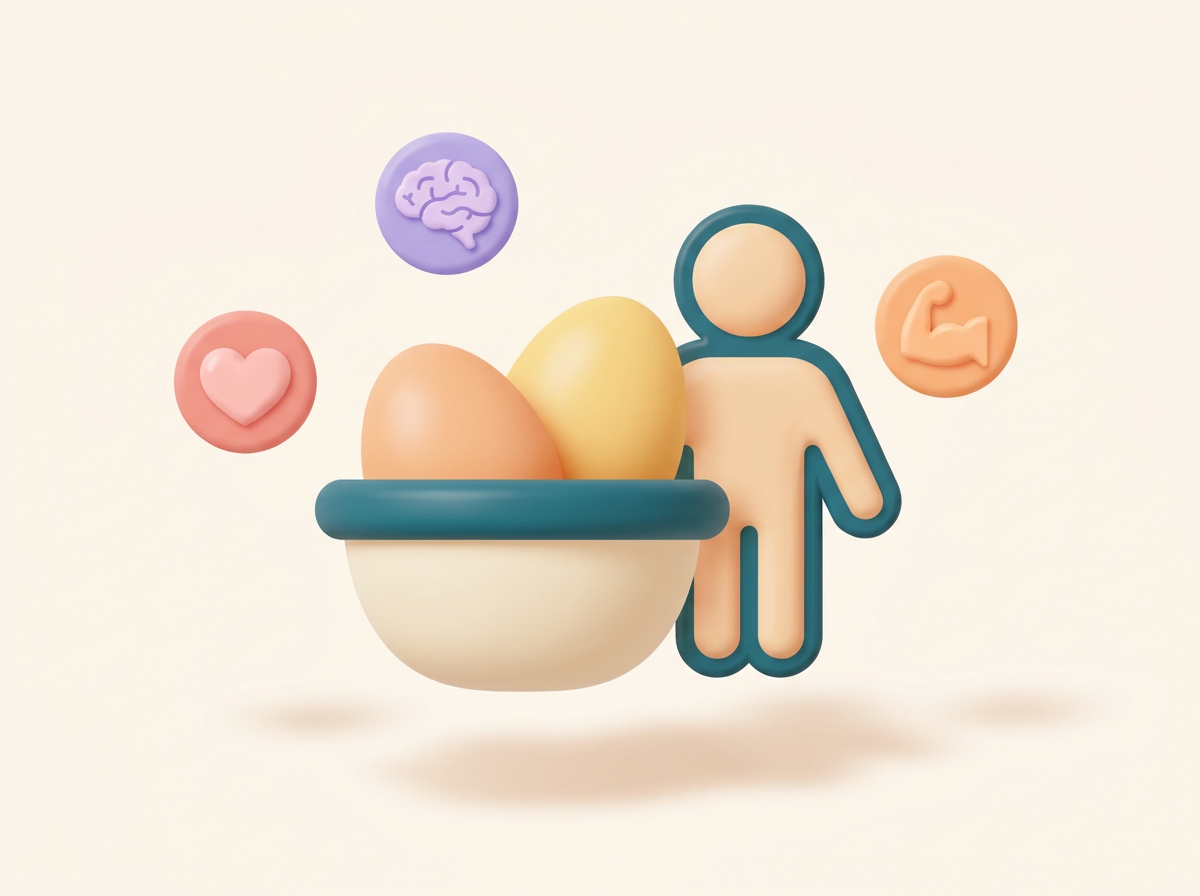
    One large egg has about 70 calories, 6 grams of high-quality protein containing all essential amino acids, and a range of nutrients including vitamin B12, choline, selenium, and lutein and zeaxanthin (antioxidants linked to eye health). Most of the nutrients are concentrated in the yolk, which is also where the cholesterol and fat are — the two are packaged together, which is part of why eggs got a bad reputation for so long.

    What Eating Eggs Regularly Does

    1. Supports muscle maintenance and satiety

    The protein in eggs is highly bioavailable and supports muscle maintenance, and protein is generally more filling per calorie than carbs or fat — which is why eggs are commonly recommended as a satisfying breakfast option.

    2. Affects blood cholesterol less than once believed

    For most people, dietary cholesterol (which eggs are relatively high in) has a smaller effect on blood cholesterol than previously thought — the body regulates its own cholesterol production in response to intake. Current dietary guidelines in most countries no longer set a strict daily cholesterol limit for the general population, though some people are more sensitive to dietary cholesterol than others.

    3. May affect people with existing heart disease or diabetes differently

    Some research suggests that people who already have cardiovascular disease or type 2 diabetes may see more of an effect on blood lipids from regular high egg intake than the general population. This is exactly the kind of individual variation where a conversation with your doctor or a dietitian is more useful than a blanket rule.

    4. Supports eye health over time

    The lutein and zeaxanthin in egg yolks are linked to a reduced risk of age-related macular degeneration with regular, long-term intake — a real but incremental benefit, not a guarantee.

    5. Contributes to daily choline intake

    Choline, a nutrient many people don’t get enough of, is important for brain and liver function, and eggs are one of the richest common food sources of it.

    How Many Eggs Is Reasonable?

    For most healthy adults without diabetes or existing heart disease, current research generally supports up to one egg a day, and some studies find no meaningful harm at higher amounts within an otherwise balanced diet. People with diabetes, existing cardiovascular disease, or specific cholesterol concerns should ask their doctor or a dietitian for personalized guidance rather than following a generic number.

    Frequently Asked Questions

    Do eggs raise cholesterol enough to matter?

    For most healthy people, moderate egg intake has a limited effect on blood cholesterol compared to saturated fat intake overall. Individual response varies, and people with existing heart disease or diabetes should check with their doctor about their personal risk.

    Is it better to eat just egg whites?

    Egg whites are pure protein with no cholesterol, which can suit specific dietary needs, but you lose most of the vitamins, choline, and antioxidants that are concentrated in the yolk. Whole eggs are the more nutritionally complete choice for most people.

    Are eggs a good source of protein compared to other foods?

    Yes — eggs have a high-quality, complete amino acid profile comparable to other high-quality animal proteins, and they’re relatively affordable and versatile.

    Can eating eggs every day cause any health problems?

    For most healthy adults, no significant harm has been shown from daily moderate egg intake. People with diabetes or cardiovascular disease should discuss their specific intake with a doctor, since individual response to dietary cholesterol varies.

    The Bottom Line

    Eggs are a nutrient-dense, high-quality protein source, and for most healthy people, daily moderate intake isn’t the health risk it was once thought to be. People with diabetes or existing heart disease should get personalized guidance from a doctor rather than following blanket claims either way.
  • 6 Basic Personal Hygiene Habits Worth Prioritizing

    6 Basic Personal Hygiene Habits Worth Prioritizing

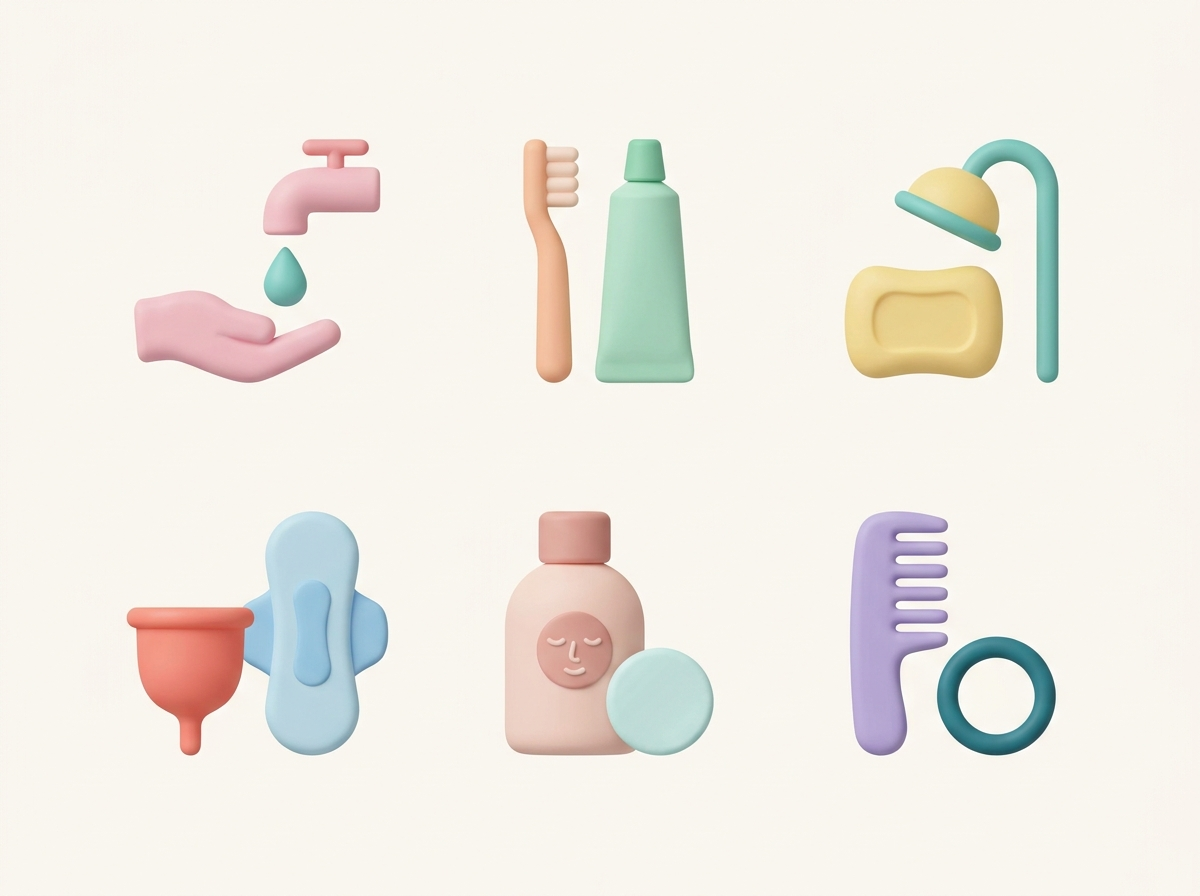
    Personal hygiene habits are easy to overlook once they become routine, but a few of them are worth double-checking against actual guidance rather than habit or outdated advice passed down over the years. Here are six worth prioritizing.

    1. Daily Showering, With Attention to Key Areas

    A daily shower or bath with mild soap, focused on areas prone to sweat and bacteria buildup (underarms, groin, feet), is the foundation of general hygiene. Over-washing with harsh soap can actually dry and irritate skin, so a gentle, fragrance-free cleanser is generally a better choice than harsh antibacterial soap for most people, most days.

    2. Oral Hygiene, Twice Daily Plus Flossing

    Brushing twice a day and flossing once a day is the baseline dental guidance for good reason — it’s the most effective prevention against cavities and gum disease, and consistency matters more than any specific product.

    3. Feminine Hygiene, Without Overdoing It

    This is an area where more isn’t better. The vagina is self-cleaning, and douching or using scented feminine washes internally disrupts its natural bacterial balance, which can actually increase the risk of irritation and infection rather than prevent it. External washing with warm water (and mild, unscented soap if desired) is sufficient; scented products and douching are generally discouraged by gynecologists.

    4. Hand Hygiene

    Washing hands with soap for at least 20 seconds, particularly after using the bathroom, before eating, and after being in public spaces, is one of the single most effective habits for preventing illness transmission — more impactful than most other hygiene habits combined.

    5. Foot Care

    Washing and thoroughly drying feet daily, especially between the toes, and changing socks daily helps prevent odor and fungal infections like athlete’s foot, which thrive in warm, damp conditions.

    6. Clean Clothing and Bedding

    Wearing clean underwear daily and washing sheets and towels regularly (weekly for sheets, more often for towels used daily) reduces buildup of sweat, oil, and bacteria that can contribute to skin irritation and odor.

    Frequently Asked Questions

    Is douching ever recommended by doctors?

    No — gynecologists generally advise against douching. It disrupts the vagina’s natural bacterial balance and is associated with a higher risk of infections and irritation, not a lower one.

    Is antibacterial soap better than regular soap for daily hygiene?

    Not necessarily — for everyday use, regular soap and water are effective, and antibacterial soap hasn’t been shown to provide meaningfully better protection for typical daily hygiene. It can also be more drying for some skin types.

    How often should towels really be washed?

    Every one to two uses is a common recommendation, since damp towels used repeatedly become a breeding ground for bacteria fairly quickly.

    Can poor hygiene habits actually cause infections?

    Yes, in some cases — inadequate hand hygiene, damp feet, or disrupting natural bacterial balance (as with douching) can all increase infection risk. Basic, consistent habits are more protective than more intensive but misguided ones.

    The Bottom Line

    Good hygiene mostly comes down to consistency with the basics — daily washing, oral care, hand hygiene, and clean clothing — while avoiding a few well-intentioned habits, like douching, that actually work against you. When in doubt, simpler and less frequent tends to beat more intensive.

  • What Stool Color Can (and Can’t) Tell You About Your Health

    What Stool Color Can (and Can’t) Tell You About Your Health

    Stool color is mostly driven by diet, digestion speed, and bile — and most variation is completely normal. A few colors, though, are worth acting on quickly rather than watching and waiting. This is general information, not a way to diagnose yourself.

    Why Stool Color Varies

    Normal stool color comes from bilirubin, a pigment produced when the liver breaks down old red blood cells and releases it into bile, which then gets further broken down by gut bacteria as it travels through the digestive tract. That process, combined with whatever you’ve eaten and how fast digestion is moving, is why stool color shifts within a fairly wide range of normal from day to day.

    Common Colors and What They Usually Mean

    Brown (various shades)

    This is the standard, healthy baseline color, caused by normal bilirubin breakdown. Lighter or darker brown within this range from day to day is not a concern.

    Green

    Often caused by eating a lot of leafy greens, green food coloring, or by food moving through the digestive tract unusually fast (giving bile less time to break down fully). Usually resolves on its own within a day or two; if it’s persistent, it’s worth mentioning to a doctor.

    Yellow, greasy, or foul-smelling

    Can indicate excess fat in the stool, sometimes related to a malabsorption issue (such as celiac disease or a pancreatic problem) if it happens consistently. An occasional occurrence isn’t alarming, but a persistent pattern is worth having evaluated.

    Pale, clay-colored, or white

    This can indicate a lack of bile reaching the stool, which may point to a bile duct blockage or liver issue. If this happens more than once or twice, or alongside yellowing of the skin or eyes (jaundice), see a doctor promptly — this combination isn’t something to wait out.

    Colors That Need Prompt or Emergency Attention

    Black or tarry stool

    This can indicate bleeding in the upper digestive tract (stomach or small intestine), where blood has had time to darken as it passes through. Certain foods (like black licorice or iron supplements) and some medications (like bismuth subsalicylate, found in Pepto-Bismol) can also cause this harmlessly — but if you haven’t taken those and notice black, tarry, foul-smelling stool, seek medical care promptly, as it can signal active internal bleeding.

    Red or bloody stool

    Bright red blood usually indicates bleeding lower in the digestive tract, such as from hemorrhoids or a fissure, which is often minor but should still be evaluated. Red stool can also come from harmless causes like beets or red food dye. If you see red blood and aren’t sure of the cause, or if it’s a significant amount, seek medical evaluation — don’t assume it’s minor without checking, especially if it’s a new or recurring pattern.

    Frequently Asked Questions

    Is it normal for stool color to change day to day?

    Yes, shades of brown, and occasional green from diet, are normal variation. It’s persistent unusual colors — or black, red, or pale/clay-colored stool — that warrant attention.

    What should I do if I see black, tarry stool?

    First rule out recent iron supplements, bismuth medications, or black licorice as the cause. If none of those apply, contact a doctor promptly — this can indicate bleeding higher in the digestive tract and shouldn’t be left unaddressed.

    Is red stool always blood?

    No — beets, red food coloring, and some medications can turn stool reddish. But if you’re not sure of the cause, treat it as worth checking rather than assuming it’s harmless, particularly if it recurs.

    When is pale or clay-colored stool an emergency?

    If it happens alongside yellowing skin or eyes, dark urine, or abdominal pain, seek care promptly — this combination can indicate a bile duct blockage that needs timely evaluation.

    The Bottom Line

    Most stool color variation is normal and diet-related. Black, tarry stool or red blood should be checked by a doctor promptly, and pale, clay-colored stool with jaundice needs urgent evaluation — these aren’t patterns to wait out at home.

  • 5 Foods That May Help Ease Arthritis Discomfort

    5 Foods That May Help Ease Arthritis Discomfort

    Arthritis pain is driven by inflammation and joint wear, and no food is going to reverse either one. But what you eat does have a real, well-documented relationship with inflammation levels in the body, and some people with arthritis notice a genuine difference when they adjust their diet. Here’s what actually has evidence behind it.

    How Diet Fits Into Arthritis Management

    Diet is a supporting tool, not a treatment. It works alongside — never instead of — whatever your doctor or rheumatologist has recommended, whether that’s medication, physical therapy, or weight management. The foods below are linked to lower inflammation markers in research, which is a reasonable, low-risk thing to try alongside your actual treatment plan.

    5 Foods Worth Adding to Your Plate

    1. Fatty fish

    Salmon, mackerel, sardines, and trout are rich in omega-3 fatty acids, which have been shown in multiple studies to help reduce inflammatory markers and, in some people with rheumatoid arthritis, ease joint stiffness and tenderness. Aim for two servings a week if you can.

    2. Berries

    Blueberries, strawberries, and blackberries are high in antioxidants called anthocyanins, which have anti-inflammatory properties in lab and human studies. They’re an easy add to breakfast or as a snack.

    3. Leafy greens

    Spinach, kale, and Swiss chard are rich in vitamins and plant compounds linked to reduced inflammation. They’re also nutrient-dense in general, which matters for overall health when you’re managing a chronic condition.

    4. Extra virgin olive oil

    Olive oil contains a compound called oleocanthal, which has anti-inflammatory effects that have been compared, in a modest way, to how ibuprofen works in the body. It’s not a substitute for medication, but swapping it in for less healthy fats is a reasonable, evidence-backed choice.

    5. Nuts and seeds

    Walnuts, almonds, and flaxseed provide healthy fats, fiber, and — in the case of walnuts and flaxseed — additional omega-3s. A small daily handful is an easy habit to build.

    Foods That May Work Against You

    Highly processed foods, refined sugar, and fried foods are generally linked to higher inflammation markers, so cutting back on them can be as useful as adding the foods above. This isn’t about eliminating them entirely — it’s about shifting the overall balance of what you eat most days.

    Frequently Asked Questions

    Can diet alone control arthritis symptoms?

    No. Diet can support inflammation management, but it doesn’t replace medical treatment. If you have arthritis, work with a doctor or rheumatologist on a full treatment plan and talk to them before making major dietary changes.

    How long before dietary changes make a difference?

    Some people notice changes within a few weeks; for others it takes longer or isn’t very noticeable at all. Individual response varies a lot, and diet tends to be a modest factor compared to medication and activity level.

    Are supplements like fish oil a good substitute for eating these foods?

    Fish oil supplements can help if you don’t eat fish regularly, but talk to your doctor first — they can interact with blood thinners and other medications, and dosing matters.

    Is there a specific “arthritis diet” worth following?

    The Mediterranean diet pattern has the most research behind it for inflammation and joint health generally. It emphasizes most of the foods listed above along with whole grains and lean protein.

    The Bottom Line

    No food cures arthritis, but a diet built around fatty fish, berries, leafy greens, olive oil, and nuts is linked to lower inflammation and is worth building into your routine alongside — not instead of — your actual treatment plan.

  • What Your Belly Button Can (and Can’t) Tell You About Your Health

    What Your Belly Button Can (and Can’t) Tell You About Your Health

    Belly button shape is one of the internet’s more persistent health myths — the idea that an “innie” versus “outie,” or a particular shape, reveals something about your health or personality has no real medical basis. What the navel can actually tell you is much narrower, and mostly about a few specific changes, not its everyday shape.

    Why Belly Button Shape Isn’t a Health Signal

    Navel shape is determined almost entirely by how the umbilical cord stump healed after birth — how much scar tissue formed, and how the surrounding skin settled as a baby’s abdomen grew. It’s essentially a scar shaped by chance, surgical or midwifery technique, and individual healing, not a marker of internal health, personality, or anything else it gets credited with online. Innies, outies, deep, shallow, round, or oval — all are normal variations with no connection to organ function or disease risk.

    What the Navel Area Can Actually Tell You

    1. New pain around the belly button

    Pain specifically around the navel, especially if it starts there and moves to the lower right abdomen, is a classic early sign of appendicitis and warrants prompt medical attention, particularly if it worsens over hours.

    2. A new bulge, especially when straining

    A bulge that appears or grows when coughing, lifting, or straining, and may go back in when relaxed, is a common sign of an umbilical hernia — a gap in the abdominal muscle wall that allows tissue to protrude. This is common, especially after pregnancy or with obesity, and while often not urgent, it should be evaluated by a doctor, since some hernias can become trapped (incarcerated) and require prompt treatment.

    3. Redness, warmth, or discharge

    Persistent redness, warmth, swelling, or discharge (especially foul-smelling) from the navel can indicate a local skin infection, which is usually straightforward to treat but shouldn’t be ignored, particularly if it’s spreading or accompanied by fever.

    4. A hernia that suddenly becomes painful and firm

    If a previously soft, reducible bulge suddenly becomes hard, painful, and won’t go back in, this can mean the hernia has become trapped and needs emergency evaluation — this is not a wait-and-see situation.

    What Doesn’t Mean Anything

    Shape, depth, “innie” vs. “outie,” and general appearance of the navel are just normal anatomical variation from birth, with no link to internal organ health, fertility, digestion, or any of the other claims that circulate about it. Skip cosmetic navel “readings” — they’re not based in medicine.

    Frequently Asked Questions

    Does having an outie mean something’s medically wrong?

    No — outies form the same way innies do, just with slightly different scar tissue and skin healing after the umbilical cord fell off. It’s not a sign of a hernia or any other issue unless it’s a new change in adulthood.

    Can adults develop a new outie later in life?

    A navel that was previously an innie suddenly changing shape or bulging out in adulthood is more likely to be a hernia than a natural late-life shape change, and is worth a doctor’s evaluation.

    Is belly button discharge always a problem?

    A small amount of lint or sweat buildup is normal. Persistent, foul-smelling, or colored discharge suggests infection and is worth seeing a doctor for, especially if there’s redness or swelling too.

    How do I know if a bulge is a hernia or just normal anatomy?

    A hernia typically appears or becomes more noticeable with straining, coughing, or standing, and may soften or disappear when lying down and relaxed. If you notice this pattern, get it checked by a doctor rather than guessing.

    The Bottom Line

    Belly button shape itself doesn’t reveal anything about your health — it’s simply how the umbilical scar healed. What’s actually worth attention are new pain, bulging, redness, or discharge, which can signal appendicitis, a hernia, or infection and deserve a doctor’s evaluation.

  • What an Epsom Salt Bath Can (and Can’t) Do for Sore, Stiff Muscles

    Epsom salt baths get credited with everything from “pulling out toxins” to melting away joint pain overnight. Most of that is marketing, not physiology — your kidneys and liver handle toxin filtering, not your bathwater. But a warm Epsom salt bath does have a few real, modest benefits worth knowing about.

    What Epsom Salt Actually Is

    Epsom salt is magnesium sulfate, a compound that dissolves in water. The idea behind soaking in it is that magnesium absorbs through the skin into the bloodstream — a claim that’s popular but not well supported by solid research. What is well established is that warm water itself relaxes muscles, improves blood flow to the area, and can genuinely ease minor aches and stiffness, regardless of what’s dissolved in it.

    What the Evidence Actually Supports

    Muscle relaxation from warm water

    Soaking in warm water increases blood flow and relaxes tense muscles — this is well documented and doesn’t require Epsom salt specifically, though many people find the ritual of an Epsom bath more relaxing than a plain one.

    Mild relief for stiff, achy joints

    The heat and buoyancy of a bath can take pressure off joints and ease minor stiffness, similar to how a warm compress helps. This is a temporary comfort measure, not a treatment for underlying joint conditions like arthritis.

    A calming bedtime routine

    A warm bath before bed is linked to better sleep onset in general, likely due to the drop in body temperature after you get out, which mimics the natural temperature dip that signals sleep. Epsom salt isn’t required for this effect, but it doesn’t hurt.

    What It Doesn’t Do

    There’s no solid evidence that soaking “pulls toxins” out of the body — your liver and kidneys already do that job continuously, bath or no bath. Magnesium skin absorption from bathwater has been studied and the evidence for meaningful absorption is weak. Treat claims about detoxing or dramatically improved blood flow as marketing, not medicine.

    How to Take One

    Add about one to two cups of Epsom salt to a standard bathtub of warm (not scalding) water, and soak for 15–20 minutes. There’s no need for more — higher concentrations don’t add extra benefit and can be drying to skin.

    Frequently Asked Questions

    Is it safe to take Epsom salt baths regularly?

    For most healthy adults, yes, a few times a week is generally fine. People with open wounds, certain skin conditions, or kidney disease should check with a doctor first, since magnesium sulfate can theoretically be absorbed in higher amounts than intended if the skin barrier is compromised.

    Does it actually help sore muscles after exercise?

    The warm water helps with soreness and relaxation regardless of the salt. Some people report the Epsom salt itself makes a difference, but controlled research on this specific claim is limited.

    Can it help with arthritis pain?

    It may offer temporary comfort from the heat and buoyancy, but it doesn’t treat the underlying joint condition. Continue whatever treatment your doctor has recommended.

    Is there a difference between Epsom salt and regular bath salts?

    Epsom salt is specifically magnesium sulfate, while other bath salts may be sodium chloride or scented blends without magnesium. The relaxation benefit of warm water applies either way.

    The Bottom Line

    An Epsom salt bath is a pleasant, low-risk way to relax sore muscles and unwind before bed, mostly thanks to the warm water itself. Skip the “detox” and “toxin-pulling” marketing — that part isn’t backed by evidence.

  • The ‘Acidic Body’ Myth: What pH Balance Actually Means for Your Health

    The ‘Acidic Body’ Myth: What pH Balance Actually Means for Your Health

    The idea that your body becomes “too acidic” from diet and needs specific foods to “alkalize” it is a popular alternative-health claim — and it misunderstands how blood pH actually works. Here’s what’s actually true about pH regulation, and what the symptoms often blamed on “acidity” more plausibly reflect.

    Why the “Acidic Body” Claim Doesn’t Hold Up

    Blood pH is tightly regulated by the lungs and kidneys within an extremely narrow range — about 7.35 to 7.45 — regardless of what you eat. This isn’t a preference or a target to hit; it’s a physiological necessity, because even small deviations outside that range (called acidosis or alkalosis) are medically serious and require treatment, not dietary tweaking. Diet does mildly affect urine pH, which is why “alkaline” diet products can show impressive-looking pH strip results — but urine pH reflects what your kidneys are excreting, not your blood or tissue pH, which stays stable through mechanisms diet doesn’t override.

    Where the Idea Comes From

    The alkaline diet theory draws on the real (but different) fact that certain foods leave an “acid” or “alkaline” residue when metabolized, which was hypothesized decades ago to affect bone health and disease risk. Follow-up research has not supported meaningful health effects from this residue in people with normally functioning kidneys, though the theory has persisted in wellness marketing well past the science.

    What the Commonly Listed “Symptoms” Actually Reflect

    Fatigue, bloating, joint aches, brain fog, and frequent colds are commonly attributed to “body acidity” in alkaline-diet marketing, but these are also some of the most nonspecific symptoms in medicine — they’re associated with dozens of actual conditions, from poor sleep and stress to thyroid issues, nutrient deficiencies, autoimmune conditions, and more. Attributing them to “acidity” isn’t supported by evidence and can delay getting an actual diagnosis for what’s causing them.

    What’s Actually Worth Doing

    The foods typically recommended on “alkaline” diets — vegetables, fruits, legumes, nuts — are genuinely healthy choices, just not because of any pH effect. Eating more plants and less ultra-processed food is a reasonable, well-supported habit on its own merits. If you’re experiencing the symptoms often blamed on “acidity,” the more useful step is seeing a doctor to investigate the actual cause rather than adjusting diet based on a pH theory that doesn’t apply to blood chemistry.

    When pH Actually Is a Medical Concern

    Real acid-base imbalances (metabolic or respiratory acidosis or alkalosis) are serious medical conditions caused by things like uncontrolled diabetes, kidney failure, or severe respiratory illness — they’re diagnosed with blood tests and require medical treatment, not diet changes. If you have a condition that puts you at risk for these (such as diabetes or kidney disease) and experience symptoms like confusion, rapid breathing, or severe fatigue, seek medical care promptly.

    Frequently Asked Questions

    Can diet change my blood pH?

    No, not in a healthy person — blood pH is tightly regulated by the lungs and kidneys regardless of diet. Diet can mildly affect urine pH, which is a different, much less consequential measurement.

    Are alkaline water or pH drops worth buying?

    There’s no credible evidence they meaningfully affect health in people with normal kidney function. Any effect on measured urine pH doesn’t translate to a health benefit.

    Is eating more vegetables still a good idea?

    Absolutely — a diet rich in vegetables, fruit, and legumes is well-supported for health, just not because of a pH effect. The recommendation is sound; the mechanism claimed for it usually isn’t.

    What should I do if I have symptoms like fatigue or joint pain?

    See a doctor to investigate the actual cause rather than assuming “acidity.” These symptoms have real, identifiable causes in many cases, and proper diagnosis leads to more effective treatment than diet changes based on an unsupported theory.

    The Bottom Line

    Blood pH doesn’t fluctuate with diet in healthy people, so “body acidity” isn’t a real explanation for fatigue, bloating, or other nonspecific symptoms. Eating more plants is a good idea regardless — but persistent symptoms deserve a proper medical evaluation, not a pH-based diet.

  • How Chronic Stress and Emotions Actually Affect Your Body

    “Stress is bad for you” is something everyone’s heard so often it barely registers anymore. But the mind-body connection is real and well documented — chronic stress and unmanaged emotions genuinely affect physical health over time, through clear, measurable biological pathways, not mystical ones. Here’s what the actual science says, and where older folk claims about specific organs overstate things.

    How Stress Actually Affects the Body

    When you’re stressed, your body releases hormones like cortisol and adrenaline as part of the “fight or flight” response. That response is useful short-term — it sharpens focus and readies your body to act — but when it’s triggered constantly by chronic stress, it keeps your cardiovascular, digestive, and immune systems running in a state they weren’t designed to sustain. This is well-established physiology, not folklore.

    What Chronic Stress Is Linked To

    Cardiovascular health

    Long-term stress is associated with elevated blood pressure, increased heart rate, and higher risk of cardiovascular issues over time. Anger and hostility specifically have been studied as risk factors for cardiovascular events in some research, which is likely the kernel of truth behind older sayings about anger and the heart — though the mechanism is stress hormones and blood pressure, not a direct organ-damage effect from a single emotion.

    Digestive function

    Stress affects gut motility and the gut-brain connection, which is why anxiety or stress commonly shows up as stomach upset, appetite changes, or digestive discomfort. This is a genuinely well-documented pathway.

    Immune function

    Chronic stress is linked to a weakened immune response over time, which is part of why people under prolonged stress tend to get sick more often or heal more slowly.

    Sleep and mental health

    Stress and difficult emotions disrupt sleep, and poor sleep in turn worsens mood and stress tolerance — a cycle that compounds if it isn’t addressed.

    Where Traditional Claims Overreach

    Older sayings that assign a specific emotion to a specific organ — “anger destroys the liver,” “grief harms the lungs” — come from traditional medicine frameworks, not modern clinical evidence. There’s no research showing a single emotional episode causes measurable organ damage. What’s real is the broader, well-supported link between chronic (not occasional) negative emotional states and physical health outcomes over months and years, through the stress-hormone pathway described above. Treat the specific organ claims as cultural folklore rather than medical fact.

    What Actually Helps

    Regular physical activity, adequate sleep, social connection, and stress-management techniques like deep breathing or mindfulness all have real evidence behind them for reducing the physical toll of chronic stress. If stress or emotional difficulty is persistent and affecting your daily life, talking to a doctor or therapist is a reasonable, effective step — not a last resort.

    Frequently Asked Questions

    Can a single stressful event actually damage an organ?

    Extreme, acute stress can trigger real physical events in rare cases (a well-documented example is “broken heart syndrome,” a temporary heart condition triggered by intense emotional shock), but this is uncommon and different from the folk idea that everyday anger causes ongoing liver damage.

    Is stress management actually medically useful, or just a nice-to-have?

    It’s genuinely useful. Reducing chronic stress is linked to measurable improvements in blood pressure, immune markers, and sleep quality in research.

    When should emotional stress be discussed with a professional?

    If stress, anxiety, or difficult emotions are persistent, affecting sleep, relationships, or daily functioning, it’s worth talking to a doctor or mental health professional rather than waiting for it to resolve on its own.

    Does this mean traditional medicine frameworks are entirely wrong?

    Not entirely — many traditional systems noticed real mind-body connections centuries before modern research explained the mechanism. The specific organ-by-emotion claims just aren’t supported as literally as they’re often stated.

    The Bottom Line

    Chronic stress and unmanaged emotions do affect physical health, through cortisol, blood pressure, immune function, and sleep — that part is solid science. The specific “this emotion destroys this organ” claims are folklore, not medicine, and shouldn’t be taken literally.

  • 19 Practical Life Hacks Worth Knowing

    Some of the most useful everyday tricks never get taught anywhere — they just get passed around, if you’re lucky enough to hear them. Here are 19 genuinely practical ones covering beauty, cleaning, cooking, and small daily annoyances.

    Beauty and Personal Care

    1. Use hairspray to stop tights from running

    A light spray over a small run or snag in pantyhose can slow it from spreading further, buying you time until you can change.

    2. Keep lipstick on longer with a tissue and translucent powder

    After applying, blot with a tissue, then dust a light layer of translucent powder over your lips through the tissue. It sets the color without changing the shade.

    3. Ice cubes reduce under-eye puffiness

    Wrap an ice cube in a soft cloth and hold it under the eyes for a minute or two — the cold constricts blood vessels and can visibly reduce morning puffiness.

    4. Coconut oil doubles as a gentle makeup remover

    It breaks down waterproof makeup effectively and moisturizes at the same time. Patch-test first if you have acne-prone skin, since it can be comedogenic for some people.

    Cleaning and Household

    5. Dryer sheets remove soap scum

    A used dryer sheet works surprisingly well to wipe away soap scum on shower doors and fixtures — the fabric softener residue helps lift it.

    6. Vinegar cuts through hard water stains

    A vinegar-soaked cloth or spray on faucets and showerheads dissolves mineral buildup without harsh chemicals.

    7. Rubber bands keep paint off brush handles

    Stretch a rubber band across the top of a paint can and wipe your brush against it to avoid dripping down the handle.

    8. Baking soda deodorizes almost anything

    Shoes, fridges, carpets — a light dusting of baking soda absorbs odors overnight before vacuuming or wiping away.

    Kitchen and Cooking

    9. A wooden spoon across a pot stops it from boiling over

    Laying a wooden spoon across the top of a boiling pot breaks the surface tension of the bubbles, slowing a boilover just enough.

    10. Store herbs like flowers

    Trim the stems and stand fresh herbs like parsley or cilantro in a glass of water in the fridge — they last noticeably longer than bagged in the crisper drawer.

    11. A damp paper towel keeps bread fresh

    Wrapping bread with a slightly damp paper towel before sealing it in a bag helps it stay soft a day or two longer.

    Wardrobe and Getting Ready

    12. Freeze delicate items to remove static instead of using dryer sheets

    A few minutes in a sealed bag in the freezer reduces static cling on synthetic fabrics without needing extra product.

    13. Use a lint roller on upholstery and lampshades

    It’s not just for clothes — lint rollers pick up dust and pet hair from fabric lampshades and furniture quickly.

    14. Roll clothes instead of folding for travel

    Rolling saves suitcase space and reduces deep creasing compared to traditional folding.

    Everyday Problem-Solving

    15. A rubber band widens a loose ring

    Wrapping a small rubber band around the back of a ring band adds grip and keeps it from spinning or slipping off.

    16. Chalk removes grease stains on fabric

    Rubbing white chalk on a fresh grease spot before washing helps absorb the oil so it lifts more easily in the wash.

    17. A phone flashlight helps find dropped contact lenses

    Angling a flashlight low across the floor makes small, clear objects like contacts or earring backs catch the light and stand out.

    18. Frozen grapes chill drinks without diluting them

    Use them in place of ice cubes in wine or juice — they cool the drink without watering it down.

    19. Keep a small sewing kit and safety pins in your bag

    A hem coming loose or a popped button is a five-minute fix with the right tools on hand, instead of a wardrobe emergency.

    Frequently Asked Questions

    Are these tricks backed by more than just word of mouth?

    Most rely on basic physics or chemistry (surface tension, static, absorption) rather than anything mysterious, which is part of why they consistently work.

    Is coconut oil safe as a makeup remover for all skin types?

    It works well for most people but can clog pores in those who are acne-prone. Patch-test on your jaw or forearm first if you’re unsure.

    Do dryer sheets actually damage anything they’re reused on?

    No — reusing a dryer sheet for cleaning purposes like soap scum removal is safe on standard bathroom surfaces.

    The Bottom Line

    None of these tricks require special products or money — just knowing they exist. Keep the ones that fit your routine and skip the rest.

  • 8 Signs You Might Be Low on Vitamin D

    8 Signs You Might Be Low on Vitamin D

    Vitamin D deficiency is common — especially in people who spend most of their time indoors or live somewhere with limited sun year-round — and its symptoms are notoriously easy to mistake for ordinary tiredness. Here’s what to watch for, and why a blood test, not symptom-spotting, is the only reliable way to know for sure.

    Why Vitamin D Deficiency Is So Common

    The body produces vitamin D mainly through skin exposure to sunlight, and relatively few foods contain much of it naturally, so people who spend most of their time indoors, live at higher latitudes, have darker skin (which produces vitamin D less efficiently from sun exposure), or consistently wear sunscreen are all at higher risk of low levels regardless of how healthy their overall diet otherwise is.

    Signs Worth Paying Attention To

    1. Persistent fatigue

    Low vitamin D is associated with fatigue and low energy in multiple studies, though this is one of the least specific symptoms on this list — it overlaps with dozens of other causes.

    2. Bone or back pain

    Vitamin D plays a key role in calcium absorption and bone health, and deficiency can contribute to bone pain, particularly in the lower back and legs, and in more significant deficiency, an increased risk of fractures.

    3. Muscle weakness or aches

    Vitamin D supports normal muscle function, and deficiency has been linked to muscle weakness and aches, sometimes mistaken for general deconditioning or aging.

    4. Frequent illness

    Vitamin D plays a role in immune function, and some research links low levels to more frequent respiratory infections, though this connection is still an active area of research rather than firmly settled.

    5. Low mood

    Some studies associate low vitamin D with depressive symptoms, particularly seasonal patterns, though the research on whether supplementation actually improves mood is mixed. It’s a reasonable factor to check, not a guaranteed explanation.

    6. Slow wound healing

    Vitamin D plays a role in tissue repair processes, and some research links deficiency to slower wound healing, though this is a less common way deficiency shows up.

    7. Hair loss

    Vitamin D receptors are present in hair follicles, and deficiency has been associated with hair loss in some studies, though hair loss has many other more common causes that should also be considered.

    8. Bone density loss over time

    Long-term, undiagnosed deficiency can contribute to decreased bone density, increasing fracture risk — this is one of the more serious longer-term consequences and part of why catching deficiency matters.

    How to Actually Know Your Level

    All of the symptoms above are nonspecific — they overlap with fatigue from poor sleep, low iron, thyroid issues, and many other common conditions. The only reliable way to know if you’re deficient is a simple blood test (25-hydroxyvitamin D), which your doctor can order. This is worth doing rather than assuming based on symptoms alone or starting high-dose supplementation blind.

    Getting More Vitamin D

    Safe sun exposure (a fraction of the time it takes to burn, a few times a week, varies by skin tone and location), fatty fish, egg yolks, fortified foods, and supplements (if a deficiency is confirmed) are the main ways to raise levels. Because it’s fat-soluble and can build up in the body, avoid high-dose supplementation without medical guidance — more isn’t automatically better.

    Frequently Asked Questions

    Can I just start taking vitamin D supplements without testing?

    A moderate daily dose (commonly 600–800 IU, per general guidelines) is low-risk for most healthy adults, but if you suspect a significant deficiency, testing first helps determine if you need a higher, medically supervised dose rather than guessing.

    How common is vitamin D deficiency?

    Quite common — estimates suggest a significant portion of adults in many countries have insufficient levels, particularly during winter months or in northern latitudes.

    Can too much vitamin D be harmful?

    Yes — because it’s stored in fat tissue, very high doses over time can lead to toxicity, causing symptoms like nausea and, in severe cases, dangerously high calcium levels. This is uncommon from diet or sun but possible with excessive supplementation.

    How long does it take to correct a deficiency?

    With appropriate supplementation guided by a doctor, levels often improve within 8 to 12 weeks, though this varies by how significant the initial deficiency was and individual factors.

    The Bottom Line

    Fatigue, bone pain, and low mood can be signs of vitamin D deficiency, but they’re nonspecific enough that a blood test — not symptom-spotting — is the reliable way to confirm it. Talk to a doctor before starting high-dose supplementation.