
Category: Holistic Health and Wellness

  • Signs of Possible Gluten Sensitivity — and Why Getting Tested for Celiac Disease Comes First

    Signs of Possible Gluten Sensitivity — and Why Getting Tested for Celiac Disease Comes First

    Gluten sensitivity is real, but it’s also a diagnosis of exclusion, meaning it’s identified partly by ruling out other conditions first — most importantly celiac disease, an autoimmune condition that can only be reliably diagnosed while you’re still eating gluten. That order-of-operations detail gets left out of most “signs you’re gluten sensitive” articles, and it matters.

    Why Testing Before Cutting Gluten Matters

    Celiac disease is diagnosed through blood tests and often a small intestine biopsy, both of which rely on your body actively reacting to gluten at the time of testing. If you cut out gluten before getting tested, results can come back falsely normal, potentially missing a real celiac diagnosis — which matters, because celiac disease needs strict, lifelong gluten avoidance and has different long-term health implications than non-celiac gluten sensitivity. If you suspect a problem with gluten, the right first step is talking to a doctor about testing, not eliminating it on your own first.

    Signs Some People Associate With Gluten Sensitivity

    1. Bloating or abdominal discomfort after eating gluten-containing foods

    One of the more commonly reported signs, though bloating has many other possible causes, including other food intolerances entirely unrelated to gluten.

    2. Fatigue

    Reported by some people with gluten sensitivity, though it’s a very nonspecific symptom shared with dozens of other conditions.

    3. Headaches

    Some people report headaches associated with gluten intake, though the evidence connecting this specifically to gluten (versus other dietary triggers) is mixed.

    4. Joint pain

    Reported by some people with gluten-related conditions, though joint pain has a very wide range of causes.

    5. Skin issues

    Some people report skin reactions with gluten intake; dermatitis herpetiformis specifically is a skin condition directly linked to celiac disease and is itself a diagnostic clue for celiac, not just general sensitivity.

    6. Digestive changes

    Diarrhea, constipation, or irregular bowel habits are commonly reported, though — again — these overlap with many other digestive conditions, including irritable bowel syndrome.

    What Actually Distinguishes These Conditions

    Celiac disease is an autoimmune condition with specific antibody markers and intestinal damage that can be tested for. Wheat allergy is a distinct, separate condition involving the immune system’s allergic response, tested differently. Non-celiac gluten sensitivity is diagnosed only after celiac disease and wheat allergy have been ruled out, based on symptoms improving on a gluten-free diet under medical guidance. Self-diagnosing “gluten sensitive” and cutting gluten without ruling out celiac skips real diagnostic information that matters for your long-term health.

    Frequently Asked Questions

    Should I try a gluten-free diet to see if I feel better?

    Get tested for celiac disease first, while still eating gluten. If celiac disease is ruled out, then a supervised trial of gluten elimination can help identify non-celiac sensitivity.

    Is gluten sensitivity the same as celiac disease?

    No. Celiac disease is an autoimmune condition with distinct testing and long-term health implications; non-celiac gluten sensitivity is a different, less well-understood condition without the same intestinal damage or antibody markers.

    Can a home test for gluten sensitivity replace a doctor’s evaluation?

    At-home tests aren’t a substitute for proper celiac screening through bloodwork and, if needed, a biopsy — this is exactly the kind of testing that needs to happen before eliminating gluten, not after.

    What happens if celiac disease goes undiagnosed and untreated?

    Untreated celiac disease can lead to nutrient deficiencies, intestinal damage, and increased risk of other health complications over time, which is why proper diagnosis — not just symptom-based gluten avoidance — matters.

    The Bottom Line

    These signs are worth paying attention to, but the right first step is celiac disease testing while still eating gluten, done with a doctor — not self-diagnosing gluten sensitivity and cutting gluten first.
  • 5 Signs of Vitamin B12 Deficiency Worth Getting Checked

    5 Signs of Vitamin B12 Deficiency Worth Getting Checked

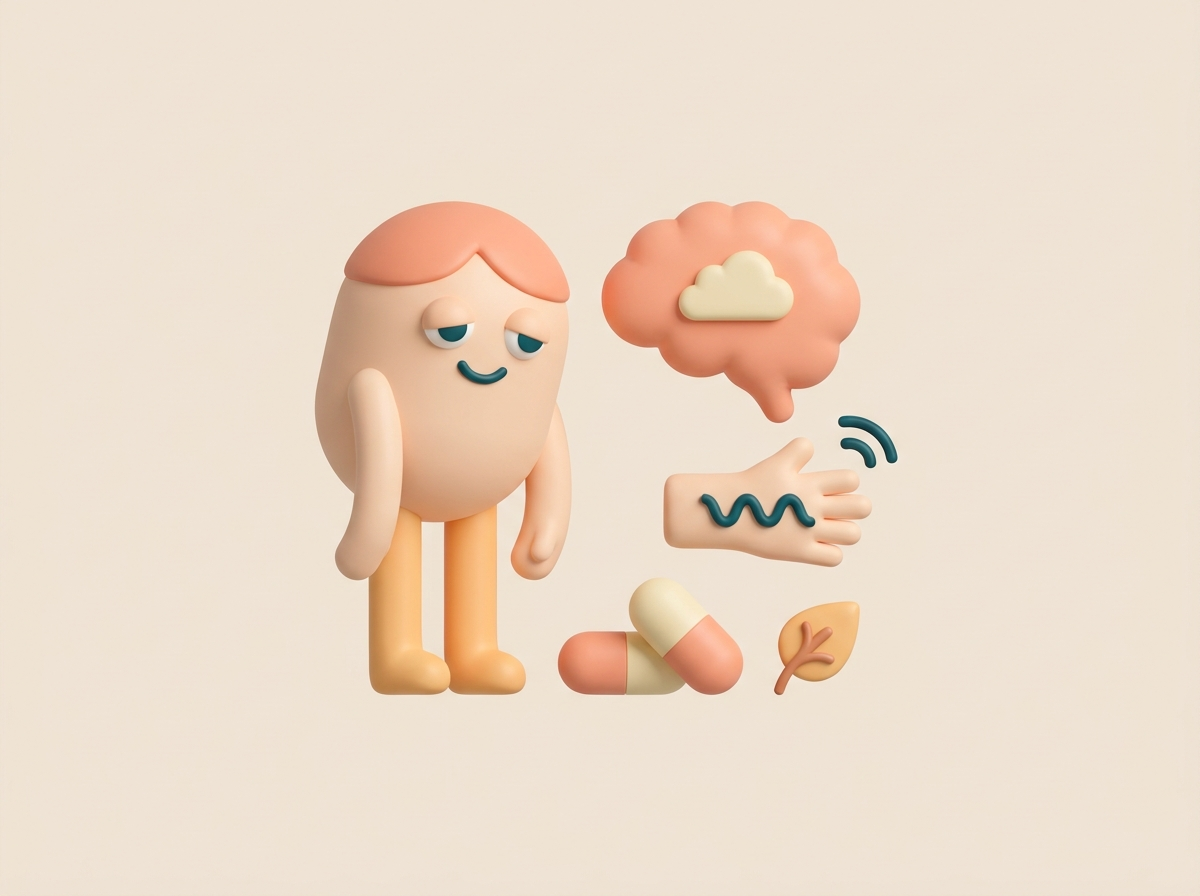
    Vitamin B12 deficiency develops gradually, and its symptoms are easy to attribute to other things — stress, aging, or being generally run down. Left untreated for a long time, some effects can become harder to reverse, which is why it’s worth knowing the signs and getting a simple blood test rather than assuming.

    Why B12 Deficiency Is Often Missed

    B12 is stored in the liver in fairly large reserves, so deficiency often takes months or years to develop even when intake or absorption drops. By the time symptoms appear, the deficiency can already be fairly advanced. It’s more common than many people realize, particularly in older adults (who absorb B12 less efficiently), people on plant-based diets without supplementation, people with digestive conditions affecting absorption (like Crohn’s disease or celiac disease), and people taking certain medications long-term, like metformin or acid-reducing drugs.

    Signs Worth Getting Checked

    1. Persistent fatigue and weakness

    B12 is essential for red blood cell production; deficiency can lead to a type of anemia that causes fatigue, weakness, and shortness of breath with exertion.

    2. Numbness or tingling in hands and feet

    B12 plays a role in maintaining the protective coating around nerves. Deficiency can cause peripheral neuropathy — numbness, tingling, or a “pins and needles” sensation, often starting in the extremities. This is one of the more specific signs and worth mentioning to a doctor promptly, since nerve damage from prolonged, severe deficiency can become permanent if left untreated for too long.

    3. Difficulty with balance or coordination

    More advanced B12-related nerve effects can affect balance and walking. This is a sign worth taking seriously and getting evaluated rather than waiting to see if it passes.

    4. Memory problems or difficulty concentrating

    B12 deficiency can affect cognitive function, sometimes described as brain fog, and in older adults can be mistaken for normal aging or early dementia — which is exactly why testing matters, since this particular cause is treatable.

    5. A sore, smooth, or swollen tongue, and mouth ulcers

    Glossitis (tongue inflammation) and mouth ulcers are a recognized, fairly specific sign of B12 deficiency, related to its role in cell turnover.

    Getting Tested and Treated

    A simple blood test measures B12 levels directly, and a doctor may also check for related markers like methylmalonic acid if levels are borderline. Treatment is straightforward and effective — oral supplements or B12 injections, depending on the cause and severity — and most symptoms improve once levels are corrected, though nerve-related symptoms that have been present for a long time may not fully resolve, which is another reason not to delay getting checked.

    Frequently Asked Questions

    Who is most at risk for B12 deficiency?

    Older adults, people following vegan or strict vegetarian diets without supplementation, people with digestive conditions affecting absorption, and people on certain long-term medications are at higher risk.

    Can B12 deficiency cause permanent damage?

    If nerve-related symptoms are left untreated for a long time, some damage can become permanent. This is why persistent numbness, tingling, or balance problems are worth getting evaluated promptly rather than waiting.

    How is B12 deficiency treated?

    Usually with oral supplements or, for more significant deficiency or absorption problems, B12 injections. Your doctor will determine which is appropriate based on the cause and severity.

    Do I need to worry about B12 if I eat meat and dairy?

    Less commonly, but it’s still possible, particularly with absorption issues, certain medications, or age-related changes in stomach acid production, which is needed to absorb B12 from food.

    The Bottom Line

    B12 deficiency is common, treatable, and easy to miss because symptoms develop slowly. If you’re noticing fatigue, numbness or tingling, or memory issues — especially if you’re in a higher-risk group — a simple blood test can confirm it, and earlier treatment means a better chance of full recovery.

  • What Causes Dark Circles Under the Eyes, and What Actually Helps

    Dark circles under the eyes are common, cosmetically frustrating, and not fully “removable” the way some remedies claim — the cause matters, and different causes respond to different approaches. Here’s what actually drives dark circles and what genuinely helps reduce their appearance.

    What Actually Causes Dark Circles

    Dark circles usually come from one or a combination of a few things: thin under-eye skin that makes underlying blood vessels more visible, genuine fluid retention or puffiness that casts a shadow, pigmentation differences in the under-eye skin, and simple genetics, which strongly influences under-eye skin thickness and shadowing for many people. Poor sleep and fatigue don’t create dark circles from nothing, but they do make existing tendencies more visible by increasing fluid retention and paleness that emphasizes the shadow.

    What Actually Helps

    1. Cold compresses

    Cold constricts blood vessels and reduces puffiness, which can visibly reduce the shadow effect temporarily — useful for a quick, short-term improvement.

    2. Adequate sleep

    While sleep alone won’t eliminate a genetic tendency toward dark circles, consistently poor sleep makes them more noticeable, so this genuinely helps for many people even if it’s not a complete fix.

    3. Retinol or vitamin C eye creams

    Both have reasonable evidence for supporting collagen production and reducing pigmentation over consistent use of 8-plus weeks, which can help with the thin-skin and pigmentation contributors specifically.

    4. Managing allergies

    Allergic reactions cause inflammation and swelling that can significantly darken and puff the under-eye area — treating underlying allergies (with antihistamines or avoiding triggers) can meaningfully improve appearance for people where this is a factor.

    5. Sun protection

    UV exposure worsens pigmentation-related dark circles specifically, so daily sunscreen around the eye area (using an eye-safe formula) helps prevent them from getting darker over time.

    6. Concealer as a genuine, honest option

    For circles driven mostly by thin skin or genetics, cosmetic concealer is a completely reasonable, immediate solution — not a “cheat,” just a practical one for something that skincare alone often can’t fully change.

    7. Reducing salt intake before bed

    High sodium intake can increase fluid retention overnight, which can make puffiness and shadowing more noticeable the next morning for some people.

    What Doesn’t Have Strong Evidence

    Many home remedies (cucumber slices, tea bags, potato slices) offer a mild, temporary cooling and de-puffing effect similar to a cold compress, but none have real evidence of a lasting effect on pigmentation or thin skin — the two biggest genetic contributors for many people.

    Frequently Asked Questions

    Can dark circles be completely eliminated?

    For circles driven mostly by genetics and skin thickness, complete elimination isn’t realistic through home remedies — meaningful reduction is achievable, but “removal” oversells what’s possible without cosmetic procedures.

    Are there medical procedures that actually remove dark circles?

    Yes — options like dermal fillers (to address volume loss) or laser treatments (for pigmentation) can produce more dramatic, longer-lasting results than at-home remedies, and are worth discussing with a dermatologist if dark circles significantly bother you.

    Is it true that dark circles mean I’m not getting enough water?

    Dehydration can make skin look duller and slightly emphasize shadowing, but it’s rarely the primary cause — genetics and skin structure matter far more for most people.

    Do under-eye creams actually work, or is it mostly marketing?

    Ingredients like retinol and vitamin C do have real evidence for modest improvement in pigmentation and skin thickness over consistent use — but expect gradual, modest results, not dramatic transformation.

    The Bottom Line

    Dark circles have several possible causes, and genetics plays a bigger role than most remedies acknowledge. Cold compresses, sleep, sun protection, and evidence-backed eye creams genuinely help reduce their appearance — but full “removal” usually isn’t realistic without a cosmetic procedure.