
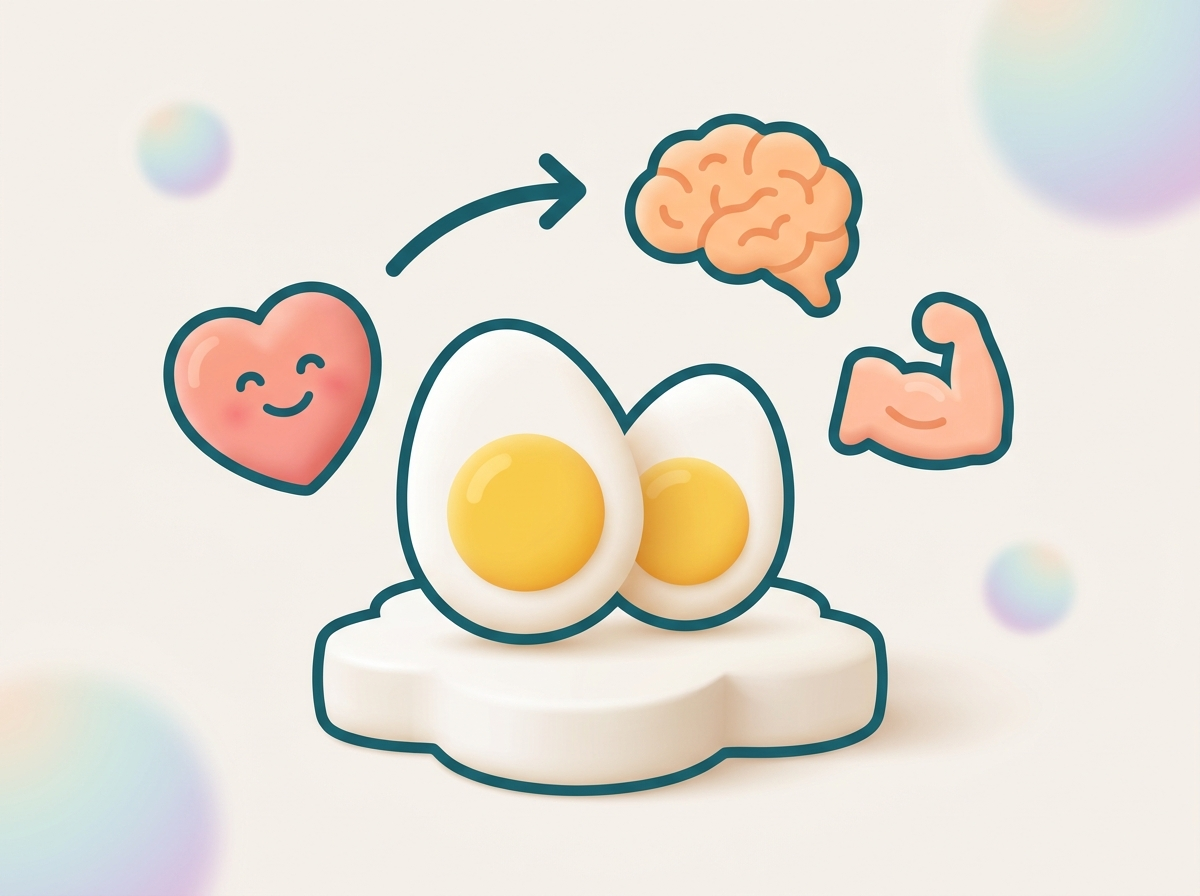
Eggs have gone through more reputation swings than almost any other food — vilified for cholesterol in the ’80s and ’90s, rehabilitated more recently as research clarified the picture. Here’s what the current evidence actually says about eating eggs daily, without the “you won’t believe number 3” framing.
What’s Actually in an Egg
One large egg has about 6 grams of high-quality protein, all nine essential amino acids, and a range of nutrients including choline, vitamin D, B12, selenium, and lutein and zeaxanthin (antioxidants linked to eye health). It also contains about 185 mg of dietary cholesterol, concentrated in the yolk.
What the Research Says About Eggs and Cholesterol
For most healthy people, dietary cholesterol (from food) has a much smaller effect on blood cholesterol than once believed — the body regulates its own cholesterol production and adjusts somewhat when dietary intake changes. Large studies have generally found that moderate egg consumption (up to about one egg a day) isn’t associated with increased heart disease risk in the general population. The picture is different for people who already have diabetes or existing heart disease, where some research suggests more caution with egg intake may be warranted — this is a case where individual medical history matters more than a general rule.
What Eating Eggs Regularly Is Associated With
1. Steady, high-quality protein intake
Eggs are one of the most efficient protein sources available, which supports muscle maintenance and satiety.
2. Choline intake
Eggs are one of the best dietary sources of choline, a nutrient many people don’t get enough of, important for brain and liver function.
3. Eye-health nutrients
Lutein and zeaxanthin from egg yolks are linked to reduced risk of age-related macular degeneration in some studies, though whole-diet patterns matter more than any single food.
4. Weight management support
Protein-rich breakfasts, including eggs, are associated with greater fullness and reduced calorie intake later in the day in some studies — a modest but real effect tied to protein content generally, not something unique to eggs.
Who Should Be More Cautious
People with diagnosed heart disease, diabetes, or a doctor-recommended cholesterol-lowering diet should ask their doctor or a dietitian about an appropriate egg intake for their specific situation, rather than following general population guidance. This isn’t a reason for most healthy people to avoid eggs — it’s a reason for people with existing cardiovascular risk to get individualized advice.
Frequently Asked Questions
Is it safe to eat two eggs a day?
For most healthy adults, current evidence doesn’t show meaningful harm from moderate daily egg intake, including two eggs. People with diabetes or heart disease should check with a doctor about what’s right for them.
Should I eat just the egg whites to be safer?
Egg whites do avoid the cholesterol and fat found in the yolk, but you also lose most of the nutrients — choline, vitamin D, lutein, and zeaxanthin are concentrated in the yolk. For most healthy people, whole eggs in moderation are a reasonable choice.
Does how you cook eggs matter?
Yes, somewhat — frying in a lot of butter or oil adds calories and saturated fat beyond what the egg itself contributes. Boiled, poached, or lightly cooked eggs keep the nutrition profile cleaner.
Do eggs raise the risk of heart disease?
For most healthy people, moderate egg intake hasn’t been shown to meaningfully increase heart disease risk in large studies. The evidence is more mixed for people who already have diabetes or existing cardiovascular disease.
The Bottom Line
For most healthy adults, eating eggs daily in moderation is a reasonable, nutrient-dense choice — the old “eggs are bad for your heart” narrative has been significantly revised by more recent research. People with diabetes or existing heart disease should get individualized guidance from a doctor.
Leave a Reply