Author: onlyhealth

  • The Best Houseplants for Cleaner Indoor Air

    Houseplants aren’t going to replace an air purifier, but a handful of species genuinely do help with indoor air quality, and they’re a low-effort way to make a home feel fresher. Here’s what’s realistic to expect, and which plants are worth having.

    What the “Clean Air” Claim Actually Means

    The idea traces back to a 1989 NASA study that found certain houseplants could remove specific pollutants (like formaldehyde and benzene) from sealed test chambers. It’s real research, but it’s often overstated online — the study used sealed, small chambers, and follow-up research suggests you’d need an unrealistic number of plants per room to match that effect in a normal, ventilated home. Treat plants as a modest, pleasant contributor to air quality, not a replacement for ventilation or an air purifier.

    8 Houseplants Worth Having

    1. Snake plant

    Tolerates low light and irregular watering, and releases oxygen at night (unlike most plants), which is why it’s popular for bedrooms.

    2. Spider plant

    Easy to care for and effective at removing common indoor pollutants like formaldehyde in NASA’s original testing. Also nearly impossible to kill, which matters for a first-time plant owner.

    3. Peace lily

    Handles low light well and was one of the higher performers in air-filtering studies. Note: it’s toxic to pets if chewed, so keep it out of reach if you have curious cats or dogs.

    4. Pothos

    Extremely tolerant of neglect and low light, and grows quickly, which makes it a satisfying, forgiving choice for beginners.

    5. Boston fern

    Naturally adds humidity to dry indoor air, which can be genuinely helpful in winter when heating dries out a home.

    6. Aloe vera

    Low-maintenance and sun-loving, it’s a good windowsill option, and the gel inside the leaves is commonly used topically for minor skin irritation.

    7. Rubber plant

    Large, glossy leaves and a strong tolerance for lower light, making it a good statement plant for filtering as well as looks.

    8. Areca palm

    Bigger and needs more light, but is one of the more effective plants at both filtering air and adding humidity.

    How Many Plants Actually Make a Difference

    Realistically, a few plants per room contribute more to mood, humidity, and aesthetics than to measurable pollutant removal. If air quality is a real concern (near a busy road, in a home with off-gassing new furniture, etc.), an actual air purifier with a HEPA filter is the more effective tool — plants are a nice complement, not a substitute.

    Frequently Asked Questions

    Do I need dozens of plants to notice a real air quality benefit?

    Based on the scale-up from the original NASA research, yes — realistically more than most homes could reasonably fit. A few plants are worthwhile for humidity and ambiance more than measurable filtering.

    Which of these plants are safe with pets?

    Spider plants and areca palms are generally considered non-toxic to cats and dogs. Peace lilies, pothos, and aloe vera are toxic if ingested, so place them out of reach if you have pets.

    Can plants help with allergies?

    Not directly, and in some cases they can add mold spores or pollen if overwatered or flowering. If allergies are a concern, prioritize low-pollen, easy-to-maintain plants and don’t overwater.

    Do I need a lot of light for these plants to thrive?

    Most on this list (snake plant, pothos, peace lily) tolerate low to medium indoor light well, which is part of why they’re commonly recommended for apartments.

    The Bottom Line

    Houseplants make a real but modest contribution to indoor air quality — genuinely worth having for humidity, mood, and general home feel, but not a substitute for ventilation or an air purifier if air quality is an actual concern.

  • 8 Signs You Might Be Low on Vitamin D

    8 Signs You Might Be Low on Vitamin D

    Vitamin D deficiency is common — especially in people who spend most of their time indoors or live somewhere with limited sun year-round — and its symptoms are notoriously easy to mistake for ordinary tiredness. Here’s what to watch for, and why a blood test, not symptom-spotting, is the only reliable way to know for sure.

    Why Vitamin D Deficiency Is So Common

    The body produces vitamin D mainly through skin exposure to sunlight, and relatively few foods contain much of it naturally, so people who spend most of their time indoors, live at higher latitudes, have darker skin (which produces vitamin D less efficiently from sun exposure), or consistently wear sunscreen are all at higher risk of low levels regardless of how healthy their overall diet otherwise is.

    Signs Worth Paying Attention To

    1. Persistent fatigue

    Low vitamin D is associated with fatigue and low energy in multiple studies, though this is one of the least specific symptoms on this list — it overlaps with dozens of other causes.

    2. Bone or back pain

    Vitamin D plays a key role in calcium absorption and bone health, and deficiency can contribute to bone pain, particularly in the lower back and legs, and in more significant deficiency, an increased risk of fractures.

    3. Muscle weakness or aches

    Vitamin D supports normal muscle function, and deficiency has been linked to muscle weakness and aches, sometimes mistaken for general deconditioning or aging.

    4. Frequent illness

    Vitamin D plays a role in immune function, and some research links low levels to more frequent respiratory infections, though this connection is still an active area of research rather than firmly settled.

    5. Low mood

    Some studies associate low vitamin D with depressive symptoms, particularly seasonal patterns, though the research on whether supplementation actually improves mood is mixed. It’s a reasonable factor to check, not a guaranteed explanation.

    6. Slow wound healing

    Vitamin D plays a role in tissue repair processes, and some research links deficiency to slower wound healing, though this is a less common way deficiency shows up.

    7. Hair loss

    Vitamin D receptors are present in hair follicles, and deficiency has been associated with hair loss in some studies, though hair loss has many other more common causes that should also be considered.

    8. Bone density loss over time

    Long-term, undiagnosed deficiency can contribute to decreased bone density, increasing fracture risk — this is one of the more serious longer-term consequences and part of why catching deficiency matters.

    How to Actually Know Your Level

    All of the symptoms above are nonspecific — they overlap with fatigue from poor sleep, low iron, thyroid issues, and many other common conditions. The only reliable way to know if you’re deficient is a simple blood test (25-hydroxyvitamin D), which your doctor can order. This is worth doing rather than assuming based on symptoms alone or starting high-dose supplementation blind.

    Getting More Vitamin D

    Safe sun exposure (a fraction of the time it takes to burn, a few times a week, varies by skin tone and location), fatty fish, egg yolks, fortified foods, and supplements (if a deficiency is confirmed) are the main ways to raise levels. Because it’s fat-soluble and can build up in the body, avoid high-dose supplementation without medical guidance — more isn’t automatically better.

    Frequently Asked Questions

    Can I just start taking vitamin D supplements without testing?

    A moderate daily dose (commonly 600–800 IU, per general guidelines) is low-risk for most healthy adults, but if you suspect a significant deficiency, testing first helps determine if you need a higher, medically supervised dose rather than guessing.

    How common is vitamin D deficiency?

    Quite common — estimates suggest a significant portion of adults in many countries have insufficient levels, particularly during winter months or in northern latitudes.

    Can too much vitamin D be harmful?

    Yes — because it’s stored in fat tissue, very high doses over time can lead to toxicity, causing symptoms like nausea and, in severe cases, dangerously high calcium levels. This is uncommon from diet or sun but possible with excessive supplementation.

    How long does it take to correct a deficiency?

    With appropriate supplementation guided by a doctor, levels often improve within 8 to 12 weeks, though this varies by how significant the initial deficiency was and individual factors.

    The Bottom Line

    Fatigue, bone pain, and low mood can be signs of vitamin D deficiency, but they’re nonspecific enough that a blood test — not symptom-spotting — is the reliable way to confirm it. Talk to a doctor before starting high-dose supplementation.

  • 6 Foods That Can Work Against a Flat Stomach

    A flat stomach comes down mostly to overall calorie balance, muscle tone, and genetics — no single food ruins or fixes it on its own. But a handful of foods do commonly contribute to bloating, water retention, or excess calorie intake in ways that work against that goal. Here’s what’s worth cutting back on, and why.

    Why Certain Foods Work Against a Flat Stomach

    Some foods contribute to visible bloating (temporary and digestive, not fat), some are calorie-dense in ways that are easy to overeat, and some directly affect water retention. None of these foods “cause belly fat” by themselves — it’s overall dietary pattern and calorie balance that matters most — but reducing them is a reasonable, realistic adjustment.

    6 Foods Worth Cutting Back On

    1. Carbonated drinks

    The carbon dioxide in soda and sparkling water gets trapped in the digestive tract, causing temporary bloating and a distended feeling. This isn’t fat gain, but it does work against the visual goal, especially before events or photos.

    2. Refined carbohydrates

    White bread, pastries, and other refined-flour foods spike blood sugar and are digested quickly, often leading to overeating later. They also tend to be calorie-dense without much fiber or protein to keep you full.

    3. Excess sodium

    High-sodium foods — processed snacks, canned soups, fast food — cause the body to retain water, which shows up as puffiness and bloating, particularly around the midsection.

    4. Fried foods

    High in calories and fat, fried foods are also harder to digest for many people, which can contribute to sluggish digestion and bloating on top of the calorie load.

    5. Excess dairy, for those who are sensitive

    Many adults have some degree of lactose intolerance, even mild, and dairy can cause bloating and gas in those people specifically. This isn’t universal — plenty of people digest dairy fine — but it’s worth noting if you bloat consistently after dairy.

    6. Alcohol

    Alcohol is calorie-dense, lowers inhibition around other food choices, and specifically tends to cause abdominal bloating and water retention, on top of contributing extra calories with essentially no nutritional value.

    What Actually Helps More

    Reducing these foods matters less than the fundamentals: an overall calorie balance appropriate for your goals, adequate protein and fiber, regular physical activity including some core and full-body strength work, and enough water and sleep. Cutting the six foods above is a reasonable tweak — not a replacement for the basics.

    Frequently Asked Questions

    Will cutting these foods alone give me a flat stomach?

    No — they help with bloating and calorie intake, but a flat stomach also depends on overall body composition, which comes down to total calorie balance and activity over time, not eliminating specific foods.

    Is bloating the same as belly fat?

    No. Bloating is temporary digestive gas or water retention that comes and goes within hours or a day. Belly fat is a longer-term change in body composition. The foods above mostly affect the former.

    Do I need to cut these foods out completely?

    No — moderation is realistic and sustainable. Occasional soda, bread, or a glass of wine isn’t going to undo progress; consistent daily overconsumption is what adds up.

    Are there foods that actively help reduce bloating?

    Foods high in potassium (bananas, leafy greens) can help balance sodium’s water-retention effect, and probiotic-rich foods like yogurt can support digestion for some people.

    The Bottom Line

    Carbonated drinks, refined carbs, excess sodium, fried food, dairy (if you’re sensitive), and alcohol all work against a flat-stomach goal in different ways — mostly through bloating and extra calories. Cutting back helps, but overall calorie balance and activity still matter most.

  • Does a Ginger Hair Mask Help With Hair Loss? What to Know

    Does a Ginger Hair Mask Help With Hair Loss? What to Know

    Ginger hair masks are a popular natural hair-care remedy, credited online with stopping hair fall and regrowing thinning hair. The honest picture is more modest: there’s a plausible mechanism and some supportive evidence, but it’s not a cure for hair loss, especially when the underlying cause is hormonal, genetic, or medical.

    What Ginger Might Actually Do for Hair

    Ginger contains compounds with anti-inflammatory and circulation-stimulating properties, and some small studies suggest topical ginger extract may support hair follicle activity and modestly reduce shedding related to scalp inflammation. The evidence is limited — mostly small studies and some based on animal or lab research rather than large human trials — so it’s reasonable to think of ginger as a low-risk, possibly modestly helpful addition, not a proven treatment.

    How to Use a Ginger Hair Mask Safely

    1. Dilute it properly

    Fresh ginger juice or grated ginger should be mixed with a carrier oil (like coconut or olive oil) rather than applied directly to the scalp, since undiluted ginger can cause irritation, redness, or a burning sensation, especially on sensitive skin.

    2. Patch test first

    Apply a small amount to your inner arm or behind the ear 24 hours before using it on your scalp, to check for a reaction. This matters more than it sounds — ginger is a genuine skin irritant for some people.

    3. Limit frequency

    Once or twice a week is reasonable; daily use increases the risk of scalp irritation without added benefit.

    4. Give it realistic time

    Hair growth cycles are slow — even if a remedy has some effect, meaningful visible change takes months of consistent use, not weeks. Treat any before-and-after claiming dramatic results in a couple of weeks with skepticism.

    What a Ginger Mask Won’t Fix

    Hair loss has many possible causes — genetics (pattern hair loss), hormonal changes, thyroid conditions, nutrient deficiencies, autoimmune conditions, certain medications, and severe stress among them. A scalp remedy like ginger can’t address any of these underlying causes; at best, it may modestly support scalp health as an add-on. Relying on it instead of getting an actual diagnosis for significant or ongoing hair loss risks delaying treatment that would actually help.

    When to See a Doctor Instead

    See a doctor or dermatologist if hair loss is sudden, patchy, associated with scalp pain, redness, or scaling, or if you’re losing significantly more hair than the normal 50–100 strands a day people typically shed. These patterns often have identifiable, treatable causes that a home remedy won’t address.

    Frequently Asked Questions

    Does ginger actually regrow hair?

    There’s no strong evidence it regrows hair on its own. Some limited research suggests it may support scalp circulation and modestly reduce shedding, but it’s not a proven regrowth treatment.

    Is it safe to use ginger on the scalp?

    Generally yes, when diluted with a carrier oil and patch-tested first. Undiluted ginger can cause irritation or a burning sensation, especially on sensitive skin.

    What actually works for hair loss?

    Depends on the cause — options with real evidence include minoxidil, finasteride (for pattern hair loss, prescription-only), and addressing underlying issues like thyroid dysfunction or nutrient deficiencies. A dermatologist can help identify the right approach.

    How long should I try a ginger mask before giving up?

    If you don’t notice any change in shedding after 2–3 months of consistent use, it’s reasonable to conclude it’s not working for you and to see a dermatologist for a proper evaluation instead.

    The Bottom Line

    A ginger hair mask is a low-risk, possibly modestly helpful addition to hair care, but it’s not a proven fix for hair loss — especially loss driven by genetics, hormones, or an underlying condition. See a dermatologist for significant or sudden hair loss rather than relying on home remedies alone.

  • What Causes Different Types of Belly Fat — And What Actually Helps

    Belly fat isn’t one uniform thing — the causes behind it genuinely differ from person to person, which is why generic “flatten your stomach” advice doesn’t always work for everyone. Popular “tummy type” quizzes online oversimplify this into rigid categories, but the underlying idea — that different contributing factors call for different fixes — is worth taking seriously. Here’s a more grounded breakdown.

    A Note on “Tummy Type” Quizzes

    You’ll find plenty of online charts sorting bellies into named categories with cute labels. These aren’t a validated medical framework — they’re a simplified, marketing-friendly way of packaging real underlying causes. The causes themselves (below) are legitimate and worth understanding; the “type” labeling is just packaging.

    Common Contributing Factors Behind Belly Fat

    1. Overall excess body fat

    The most common driver is simply a calorie surplus over time, distributed partly around the midsection due to genetics. The fix is the least glamorous one: a sustainable calorie deficit through diet and activity, sustained over months.

    2. Bloating and digestive issues

    Some “belly” appearance is temporary bloating from diet, food sensitivities, or digestive issues rather than fat at all. This type fluctuates day to day and often responds to dietary adjustments — see a doctor if it’s persistent or painful, since ongoing bloating can sometimes signal an underlying digestive condition.

    3. Stress-related fat accumulation

    Chronic stress raises cortisol, a hormone linked to increased fat storage specifically around the abdomen in some research. Stress management — sleep, exercise, and reducing chronic stressors where possible — is the relevant lever here, not spot-reduction exercises.

    4. Postpartum abdominal changes

    Pregnancy stretches abdominal muscles and skin, and it can take time — sometimes with targeted core rehabilitation — for the area to fully recover. This is a normal physical process, not a flaw, and a doctor or pelvic floor physical therapist can help if diastasis recti (abdominal muscle separation) is a concern.

    5. Hormonal shifts (perimenopause and beyond)

    Hormonal changes with age, particularly around perimenopause, are linked to a shift in fat distribution toward the midsection even without major changes in diet or weight. This is a well-documented physiological pattern, not a personal failing.

    Why “Spot Reduction” Doesn’t Work

    No amount of ab exercises burns fat specifically from the stomach — this has been studied directly and consistently disproven. Core exercises build and tone the muscles underneath, which matters for appearance and function, but visible fat loss in any area comes from overall calorie balance, not targeted exercise.

    Frequently Asked Questions

    Can I actually tell which “type” applies to me?

    Think of it less as picking a category and more as identifying which factors are realistically at play for you — often more than one. If you’re unsure, especially with persistent bloating or postpartum concerns, a doctor can help sort it out.

    Do ab workouts help at all?

    Yes, for strength, posture, and muscle tone — just not for spot-reducing fat in that specific area. Combine core work with overall activity and diet for visible results.

    Is hormonal belly fat reversible?

    It can be managed with diet, strength training, and sleep, though it may require more consistent effort than it did earlier in life due to metabolic changes. It’s not something you’re doing wrong — it’s a real physiological shift.

    When is belly bloating a sign of something more serious?

    If bloating is persistent, painful, comes with other digestive symptoms, or doesn’t fluctuate with diet, see a doctor to rule out an underlying condition.

    The Bottom Line

    Belly fat has real, distinct contributing causes — excess calories, bloating, stress, postpartum changes, hormones — even if the “5 types” framing online oversimplifies it. Identify which factors actually apply to you, and address those directly rather than chasing spot-reduction gimmicks.

  • How Much Sleep You Need at Every Age

    Sleep needs change substantially across a lifetime, and a lot of the guilt people feel about their sleep comes from comparing themselves to the wrong benchmark for their age. Here’s what major health organizations, including the CDC and the National Sleep Foundation, actually recommend.

    Why Sleep Needs Change With Age

    Sleep architecture — how much time you spend in deep sleep versus lighter stages — shifts as the body develops and later as it ages. Infants and children need more total sleep to support rapid brain and physical development; adults need consistent, quality sleep to support memory, immune function, and cardiovascular health; older adults often naturally sleep lighter and wake more, even if they don’t necessarily need less total sleep than younger adults.

    Recommended Sleep by Age Group

    Newborns (0–3 months)

    14–17 hours per day, typically spread across several shorter periods rather than one continuous block.

    Infants (4–11 months)

    12–15 hours per day, usually including a couple of daytime naps.

    Toddlers (1–2 years)

    11–14 hours per day, often including one nap as sleep consolidates.

    Preschoolers (3–5 years)

    10–13 hours per day, with naps typically phasing out toward the end of this range.

    School-age children (6–13 years)

    9–11 hours per day. This age group is commonly underslept due to early school start times and increased screen use.

    Teenagers (14–17 years)

    8–10 hours per day. Teens have a natural shift toward later sleep and wake times biologically, which often conflicts with early school schedules.

    Adults (18–64 years)

    7–9 hours per night. This range holds steady across most of adulthood and is the one most consistently missed due to work and lifestyle demands.

    Older adults (65+)

    7–8 hours per night — similar to younger adults, though sleep often becomes lighter and more fragmented, with more early waking.

    Signs You’re Not Getting Enough

    Regularly needing an alarm to wake up, daytime drowsiness, difficulty concentrating, irritability, and relying on caffeine to function are all common signs of a sleep deficit, regardless of how many hours you technically spent in bed.

    Frequently Asked Questions

    Is it bad to sleep more than the recommended range?

    Occasionally, no — your body may be catching up on sleep debt. Consistently needing far more than the typical range for your age can sometimes signal an underlying issue and is worth mentioning to a doctor.

    Can you “catch up” on lost sleep over the weekend?

    Partially, but it doesn’t fully offset the effects of chronic short sleep during the week, and irregular sleep schedules can themselves disrupt sleep quality. Consistency matters more than occasional catch-up sleep.

    Do older adults really need less sleep?

    Not necessarily less — the recommended range is similar to younger adults. Older adults often just get lighter, more fragmented sleep, which can feel like less even when total hours are similar.

    Does napping count toward daily sleep totals?

    Yes, especially for children whose recommended ranges already factor in typical napping patterns. For adults, long or late naps can sometimes interfere with nighttime sleep.

    The Bottom Line

    Sleep needs range from 14+ hours for newborns down to 7–9 hours for most adults, and shift again slightly with older age. Use your age group’s range as a real benchmark, and pay attention to how you actually function day to day, not just the hours logged.

  • What Happens to Your Feet and Posture When You Stop Wearing High Heels

    What Happens to Your Feet and Posture When You Stop Wearing High Heels

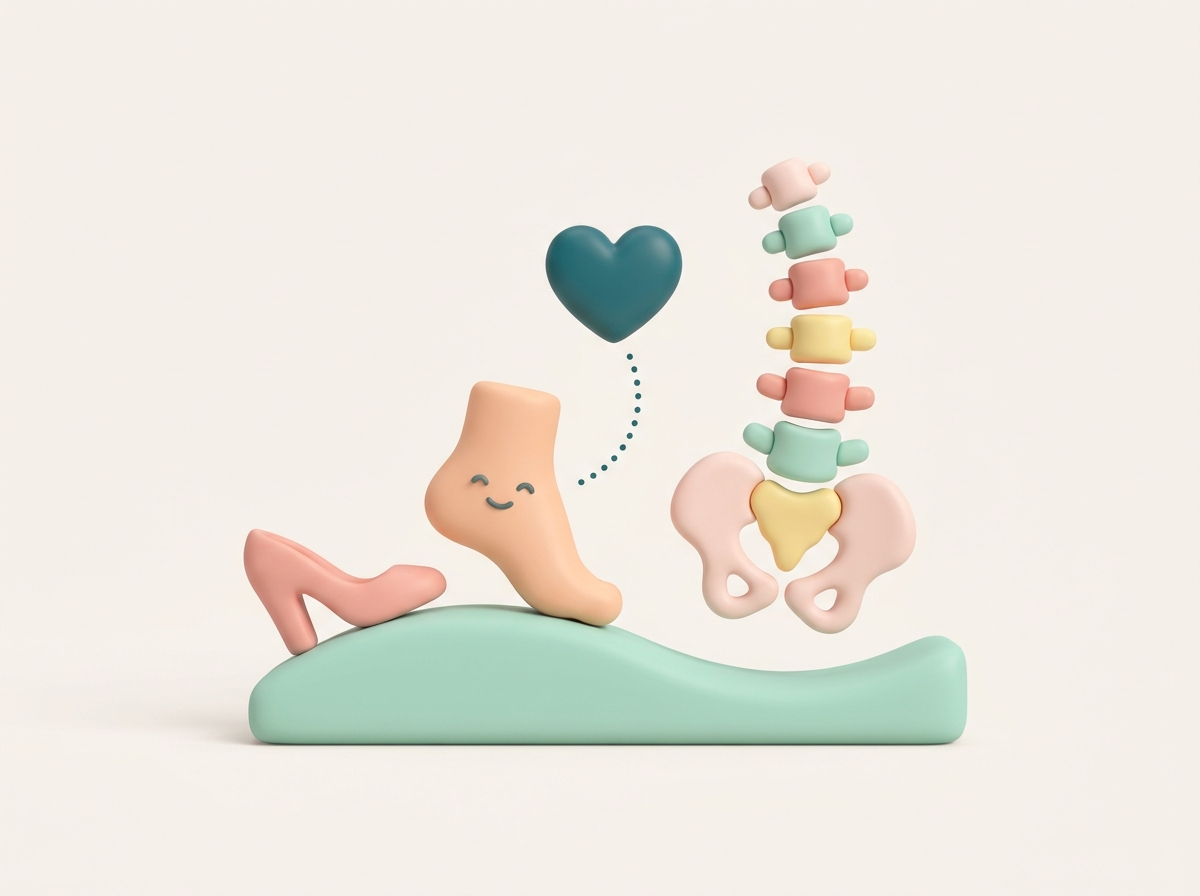
    High heels change how your entire body distributes weight and moves, not just your feet — and those effects, good and bad, start reversing fairly quickly once you stop wearing them regularly. Here’s what actually happens, based on biomechanics research rather than fear-based claims.

    How High Heels Change Your Body While You Wear Them

    Heels shift your center of gravity forward, forcing your calf muscles to stay shortened and your lower back to arch more to compensate, while cramming your toes into a narrower, angled space than they’d naturally sit in. These aren’t hypothetical effects — they’re measurable changes in posture, muscle activation, and pressure distribution documented in gait and biomechanics studies.

    What Changes When You Stop Wearing Them Regularly

    1. Calf muscles and Achilles tendon gradually lengthen back out

    Regular heel-wearing keeps calf muscles in a shortened position, and over time this can lead to mild tightness or shortening of the Achilles tendon. Switching to flatter shoes allows these tissues to gradually return to a more neutral length, though significant long-term shortening can take a while to fully resolve and may benefit from stretching.

    2. Lower back strain often improves

    The forward-leaning posture heels create is a common contributor to lower back discomfort for regular wearers. Many people notice reduced back strain within days to weeks of switching to flat, supportive shoes.

    3. Foot pain and pressure-related issues can ease

    Heels concentrate pressure on the forefoot and toes, which is linked to conditions like bunions, hammertoes, and metatarsalgia (forefoot pain) with long-term regular wear. Reducing heel use can ease pressure-related discomfort, though structural changes like bunions that have already developed won’t reverse without treatment.

    4. Balance and gait patterns normalize

    Heels alter your natural gait and can affect balance, particularly on uneven surfaces. Walking in flat, supportive shoes more often helps restore a more natural walking pattern.

    5. Knee joint stress decreases

    Some research links regular high-heel use to increased pressure on the knee joint, particularly the inner knee, which has been associated with higher long-term osteoarthritis risk in frequent, long-term wearers. Reducing heel use lowers this ongoing mechanical stress.

    Do You Have to Give Up Heels Completely?

    Not necessarily — the research generally points to frequency and duration as the bigger factors, not occasional wear. Alternating with flat or low-heeled shoes, choosing lower heel heights for everyday wear, and limiting how many hours you spend in heels at a stretch can meaningfully reduce the cumulative strain, without requiring you to give them up entirely for occasions where you want to wear them.

    Frequently Asked Questions

    How long does it take to see improvement after cutting back on heels?

    Mild issues like back strain often improve within weeks. Structural changes like calf shortening or bunions take much longer to improve, if they improve at all — some structural changes may need physical therapy or, in more severe cases, medical treatment.

    Are all heel heights equally problematic?

    No — higher heels and longer wear duration generally correlate with more pronounced effects. Lower heels (under 2 inches) worn occasionally carry meaningfully less cumulative strain than very high heels worn daily.

    Can wearing heels cause permanent damage?

    Long-term, frequent, high-heel wear is associated with a higher risk of conditions like bunions and can contribute to chronic pain patterns that don’t fully reverse. Moderate, occasional wear is much less likely to cause lasting structural change.

    What should I do if I already have foot pain from years of wearing heels?

    See a podiatrist for an evaluation — pain that’s persisted for a while may need targeted treatment (like physical therapy or orthotics) beyond simply switching shoes.

    The Bottom Line

    High heels place real, measurable strain on your calves, back, feet, and knees, and much of that strain eases when you cut back on how often and how long you wear them. Occasional wear with lower heels and breaks in between is a reasonable middle ground for most people.

  • How to Grow an Endless Supply of Basil From a Single Cutting

    A single basil plant from the grocery store or a friend’s garden can keep you in fresh basil indefinitely if you propagate it correctly instead of just using it up. Here’s exactly how to do it.

    Why Basil Propagates So Easily

    Basil is one of the easiest herbs to root from a cutting because its stems readily grow new roots in plain water — no rooting hormone or special equipment needed. This means one healthy plant can become several, indefinitely, as long as you keep taking new cuttings before the plant flowers and goes to seed.

    Step-by-Step: Growing Basil From a Cutting

    1. Choose the right stem

    Pick a healthy stem about 4–6 inches long with several sets of leaves, ideally one that hasn’t flowered. Cut just below a leaf node (the point where leaves attach to the stem) at a slight angle.

    2. Strip the lower leaves

    Remove the leaves from the bottom half of the cutting, since any leaves submerged in water will rot. Leave two or three sets of leaves at the top.

    3. Root it in water

    Place the cutting in a glass of room-temperature water, making sure the stripped nodes are submerged but the remaining leaves stay above water. Set it on a windowsill with bright, indirect light.

    4. Change the water regularly

    Replace the water every 2–3 days to keep it fresh and prevent bacterial growth, which can rot the stem before it roots.

    5. Wait for roots

    Roots typically appear within one to two weeks. Once they’re about an inch long, the cutting is ready to move to soil.

    6. Transplant to soil

    Plant the rooted cutting in a small pot with well-draining potting soil, water it in well, and keep it somewhere with at least 6 hours of light daily (a sunny windowsill or under a grow light).

    How to Keep the Cycle Going

    Once your new plant is established, take fresh cuttings from it before it flowers, and repeat the process. Regularly pinching off flower buds (basil “bolting”) also keeps the original plant producing leaves longer instead of putting energy into seed production.

    Frequently Asked Questions

    Can I use basil from the grocery store to start this?

    Yes, as long as the stems look healthy and haven’t wilted. Grocery store basil (especially living basil plants sold with roots still attached) works particularly well.

    How long can a cutting stay in water before it needs soil?

    It can survive in water for a few weeks, but it’s better to transplant once roots reach about an inch, since the plant needs soil nutrients to thrive long-term.

    Why did my cutting rot instead of rooting?

    Usually because leaves were left submerged, or the water wasn’t changed often enough. Both create the damp, low-oxygen conditions bacteria and rot thrive in.

    Does basil need direct sunlight indoors?

    It needs bright light, ideally a few hours of direct sun through a south- or west-facing window. In low light, basil gets leggy and produces fewer leaves.

    The Bottom Line

    One basil cutting rooted in water, then transplanted and re-cut before it flowers, can supply fresh basil indefinitely with almost no cost. The whole process takes about two to three weeks from cutting to a productive new plant.

  • This Japanese-Inspired Rice and Honey Face Mask for Brighter Skin

    “Look 10 years younger” is the kind of promise no skincare product can actually deliver, and it’s worth being upfront about that. What a good weekly face mask routine can realistically do is improve texture, brightness, and hydration — which does make skin look fresher and more youthful, just not through any single miracle step.

    What This Mask Actually Does

    This rice-and-honey mask, inspired by traditional Japanese skincare ingredients, combines gentle exfoliation with hydration. Rice contains compounds that have mild brightening and antioxidant properties, and honey is a natural humectant, meaning it draws and holds moisture in the skin. Together, used consistently, they support smoother, better-hydrated skin — a real, modest effect, not a dramatic transformation.

    The Recipe

    Ingredients

    • 2 tablespoons cooked rice (white or brown, plain, no salt)
    • 1 tablespoon raw honey
    • 1 teaspoon plain yogurt (optional, for extra hydration)

    How to make it

    Mash the cooked rice into a rough paste using a fork or the back of a spoon — you want some texture left for gentle exfoliation, not a completely smooth puree. Mix in the honey (and yogurt, if using) until you have a spreadable paste.

    How to Use It

    1. Start with clean, dry skin

    Wash your face as usual and pat dry before applying.

    2. Apply and let it sit

    Spread the mask evenly, avoiding the eye area, and leave it on for 15–20 minutes.

    3. Rinse with lukewarm water

    Use gentle circular motions while rinsing to get a light exfoliating effect from the rice texture, then pat dry.

    4. Follow with moisturizer

    Lock in the hydration from the mask with your regular moisturizer while skin is still slightly damp.

    Realistic Expectations and Precautions

    Used once or twice a week, most people can expect smoother texture and a brighter, more hydrated look over several weeks — not an overnight transformation, and not a substitute for sunscreen, which remains the single most effective anti-aging step. Patch-test on your inner arm first if you have sensitive skin or a known allergy to honey, and skip it if you’re allergic to any ingredient.

    Frequently Asked Questions

    Will this mask actually reduce wrinkles?

    It can improve skin texture and hydration, which softens the appearance of fine lines somewhat, but it won’t meaningfully reduce established wrinkles. No topical home remedy does that.

    How often should I use it?

    Once or twice a week is enough. Overusing exfoliating masks can irritate skin rather than help it.

    Is this safe for sensitive or acne-prone skin?

    Generally yes, since the ingredients are gentle, but patch-test first, and skip the yogurt if dairy tends to irritate your skin.

    What’s the single most effective anti-aging step, if not this?

    Daily sunscreen use is the most evidence-backed step for preventing premature skin aging — more impactful than any mask, including this one.

    The Bottom Line

    This rice and honey mask is a genuinely nice, low-cost addition to a skincare routine for texture and hydration — just don’t expect it to turn back the clock. Pair it with daily sunscreen for the results that actually matter long-term.

  • 9 Surprising Uses for Listerine Around the House

    Listerine’s antiseptic, alcohol-based formula makes it useful for a lot more than gargling. Some of these uses are backed by the same properties that make it work as mouthwash; a couple of popular ones online are more myth than fact. Here’s an honest breakdown.

    Why Listerine Works for More Than Your Mouth

    The classic (original) formula contains alcohol and antiseptic essential oils, which is why it kills odor-causing bacteria and has a strong, functional scent. Those same properties are what make it useful in a few household and personal-care contexts beyond oral hygiene.

    9 Uses Worth Trying

    1. Freshening laundry

    A small capful in the wash can help cut musty odors from towels or gym clothes, thanks to the antibacterial properties.

    2. Deodorizing shoes

    Wiping the inside of smelly shoes with a Listerine-soaked cloth helps reduce odor-causing bacteria overnight.

    3. Cleaning eyeglasses

    A drop on a soft cloth can cut through smudges and disinfect the frames — avoid the lenses if they have a special coating, since alcohol can damage certain lens treatments.

    4. Repelling mosquitoes outdoors

    Many people report the strong scent helps deter mosquitoes when sprayed around outdoor seating areas, though it’s not a registered insect repellent and shouldn’t replace one for serious mosquito exposure.

    5. Cleaning household surfaces

    Diluted Listerine can help disinfect small surfaces like countertops in a pinch, thanks to its alcohol content, though it’s not a substitute for a proper household disinfectant for regular cleaning.

    6. Removing hairspray buildup from brushes

    Soaking hairbrushes and combs in Listerine for a few minutes helps dissolve product residue.

    7. Treating minor dandruff

    Diluted with water and applied to the scalp before shampooing, the antiseptic properties may help with mild dandruff for some people. This isn’t a substitute for a medicated dandruff shampoo if the problem persists.

    8. Deodorizing garbage cans

    Wiping down the inside of a trash can with a Listerine-soaked cloth helps neutralize lingering odor between washes.

    9. Freshening gym bags and lunch boxes

    A quick wipe-down cuts through the accumulated odor in bags that don’t get washed regularly.

    One Popular Claim That Doesn’t Hold Up

    Listerine is often recommended online as a home remedy for toenail fungus. There’s no solid clinical evidence that it effectively treats fungal nail infections, and relying on it can delay proper treatment. Toenail fungus is a legitimate medical condition — see a doctor or podiatrist for an actual antifungal treatment plan if you suspect you have it, rather than a home remedy detour.

    Frequently Asked Questions

    Is Listerine safe to use on skin or scalp?

    Diluted, for occasional use, it’s generally fine for most people, but full-strength Listerine can be irritating to skin due to the alcohol content. Patch-test first if you have sensitive skin.

    Does it actually work as a household disinfectant?

    It has some antiseptic effect from the alcohol content, but it’s not registered or tested as an EPA-approved household disinfectant, so use dedicated cleaning products for anything where germ-killing really matters, like after illness in the house.

    Will Listerine damage fabric or surfaces?

    The alcohol content can be harsh on some delicate fabrics or finished surfaces, so spot-test before using it on anything valuable.

    Which Listerine formula works best for these uses?

    The original, amber-colored formula has the highest alcohol content and is generally most effective for these household uses; some newer flavored or alcohol-free formulas won’t work as well for cleaning purposes.

    The Bottom Line

    Listerine’s alcohol and antiseptic properties make it a genuinely useful multi-purpose product around the house, from deodorizing to light cleaning. Skip the toenail fungus claim, though — that one needs real medical treatment, not mouthwash.